What ZK KYC actually means
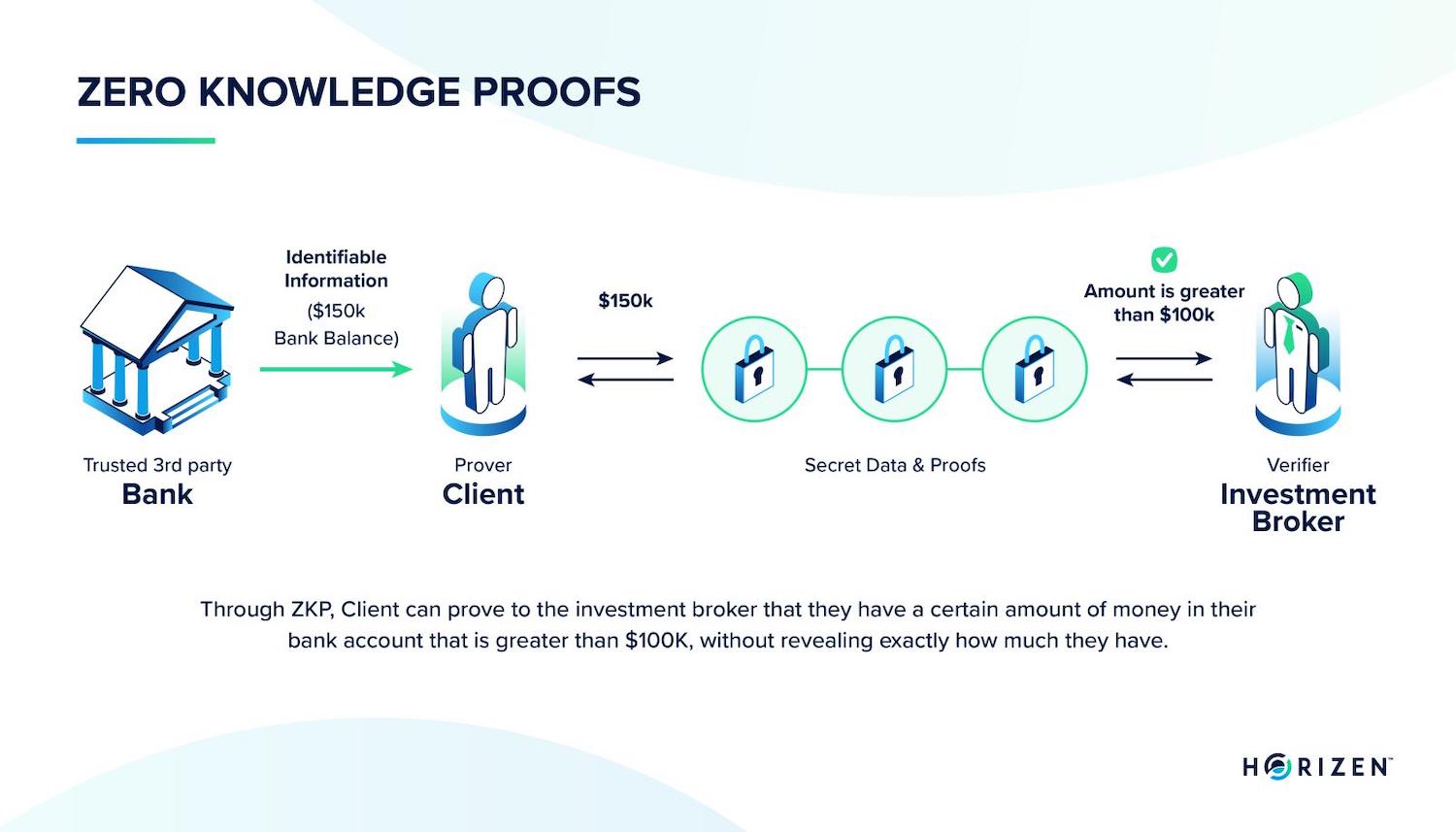
Zero-Knowledge Proof KYC (ZK-KYC) is a verification method that allows a user to prove they meet specific regulatory criteria without revealing the underlying personal data. In traditional KYC, you hand over a passport scan and a selfie, creating a digital copy of your identity that sits in a company's database. With ZK-KYC, you generate a cryptographic proof that says, "I am over 18" or "I am not from a sanctioned country," while keeping the actual document details hidden.
This distinction is critical for the zk kyc systems market research landscape. Traditional models hoard data, creating high-value targets for hackers and liability for breaches. ZK-KYC eliminates this risk by ensuring that even if a verifier is compromised, no sensitive identity documents are exposed. The system relies on mathematical proofs rather than data storage, offering a privacy-compliance balance that aligns with strict regulations like GDPR.
As the KYC market expands—projected to reach $7.8 billion in 2026—the demand for systems that reduce data liability grows. ZK-KYC represents a structural shift in infrastructure, moving from centralized data repositories to decentralized verification protocols. This approach satisfies both regulatory mandates for identity confirmation and user demands for data minimization.
Market size and growth trajectory
The global KYC market is expanding rapidly, with the sector valued at approximately $7.8 billion in 2026 and projected to reach $16.31 billion by 2031. This growth, driven by a 15.88% compound annual growth rate (CAGR), reflects the increasing regulatory pressure on financial institutions to adopt robust verification frameworks. For organizations conducting zk kyc systems market research, these figures underscore the urgency of transitioning from legacy identity models to privacy-preserving infrastructure.
While traditional identity verification solutions are also seeing significant expansion—growing from $14.34 billion in 2025 to an estimated $29.32 billion by 2030—the focus for forward-looking enterprises is shifting toward decentralized identity. Zero-Knowledge Proof (ZK-KYC) systems offer a distinct advantage by allowing users to prove compliance without exposing sensitive personal data. This capability addresses the growing consumer demand for privacy while satisfying stringent regulatory requirements.
The divergence between general identity verification growth and the specialized ZK-KYC segment highlights a strategic pivot. Institutions are no longer just seeking to verify identity; they are looking to do so in a way that minimizes data liability. As regulations evolve, the ability to perform "proof without disclosure" will likely become a standard requirement rather than a competitive differentiator.
Core infrastructure components
Building a compliant ZK KYC systems market research framework requires moving beyond standard database queries. The stack relies on three distinct layers working in tandem: verifiable credentials for data issuance, zero-knowledge circuits for privacy-preserving proof generation, and oracle networks for bridging off-chain identity data with on-chain verification.
Verifiable credentials and data issuance
The foundation of any ZK-KYC architecture is the Verifiable Credential (VC). Unlike traditional KYC, where institutions hoard raw data, VCs allow issuers (like governments or licensed KYC providers) to issue signed attestations. These credentials contain the necessary claims—age, jurisdiction, or sanction status—without exposing the underlying personal documents to every subsequent verifier.
In the context of zk kyc systems market research, this shift reduces liability. The verifier only checks the cryptographic signature of the issuer, not the integrity of a massive database. This structure aligns with Web3-based identity innovations that prioritize trustless verification through cryptographic authentication rather than centralized trust assumptions.
Zero-knowledge circuits
Zero-knowledge circuits are the computational engine that makes privacy possible. When a user wants to prove they are over 18 or reside in a permitted jurisdiction, they do not submit their birth certificate or passport. Instead, they generate a ZK-proof using a circuit that confirms the data in their VC meets the specific regulatory criteria.
This process ensures that the verifier receives a boolean "true" or "false" response without ever seeing the raw input data. The circuit acts as a private filter, allowing only the necessary compliance signals to pass through. This mechanism is critical for high-stakes financial applications where data minimization is a regulatory requirement, not just a feature.
Oracle integration
Since ZK-proofs are typically generated off-chain to save computational resources, an oracle network is required to bridge the gap between the user's local device and the blockchain. Oracles fetch the necessary public parameters and, in some architectures, help validate the proof's consistency on-chain.
This integration ensures that the ZK-KYC system remains dynamic. As regulations change, the circuit definitions can be updated, and the oracle layer facilitates the seamless propagation of these updates across the network. This infrastructure allows zk kyc systems market research participants to scale verification without compromising the decentralized nature of the protocol.
| Component | Traditional KYC | ZK-KYC |
|---|---|---|
| Data Storage | Centralized database holds raw PII | User retains PII; only proofs are stored |
| Verification | Verifier accesses full user profile | Verifier checks cryptographic proof only |
| Compliance Risk | High exposure to data breaches | Minimal exposure; data remains private |
Compliance and regulatory strategy
Zero-knowledge KYC systems (ZK-KYC) resolve a long-standing tension in financial services: how to satisfy strict anti-money laundering (AML) mandates while adhering to data minimization principles under GDPR and eIDAS. Traditional KYC requires collecting and storing sensitive personal data, creating a high-value target for attackers and a liability under privacy laws. ZK-KYC changes this dynamic by allowing a user to prove they meet specific regulatory criteria—such as being over 18, not residing in a sanctioned jurisdiction, or holding valid identity documents—without revealing the underlying data itself. This approach satisfies the "defensibility test" for regulators who require verification, while simultaneously protecting the user from data breaches.
The architecture relies on cryptographic proofs generated locally on the user's device. When a verifier (such as a bank or exchange) requests compliance data, the ZK-KYC system produces a proof that the data is valid and current, without exposing the raw information. This means the institution never holds the actual PII (Personally Identifiable Information), significantly reducing their regulatory exposure under GDPR’s right to erasure and data portability requirements. For eIDAS compliance, these systems can integrate with Qualified Electronic Signatures and Trusted Lists, ensuring that the verified attributes carry the necessary legal weight across EU borders.
Regulators are increasingly recognizing the utility of privacy-preserving technologies. The European Commission’s Digital Identity Wallet initiative explicitly supports the use of zero-knowledge proofs to allow citizens to share only the data necessary for a transaction. Similarly, global AML frameworks are shifting toward risk-based approaches that prioritize the verification of outcomes over the collection of data. By adopting ZK-KYC, institutions can demonstrate to auditors that they are not only compliant but are actively reducing systemic risk associated with centralized identity databases.
Key players and market dynamics
The ZK KYC systems market research landscape is shifting as traditional compliance providers integrate zero-knowledge proofs to reduce data liability. Major vendors are moving beyond simple identity verification to offer privacy-preserving architectures that satisfy regulators without storing sensitive personal data. This transition is critical as the broader KYC market expands from USD 6.73 billion in 2025 to USD 7.8 billion in 2026, driven by stricter global anti-money laundering (AML) requirements.
Leading infrastructure providers include Chainlink, which leverages its decentralized oracle networks to facilitate secure data feeds, and emerging specialized firms like Zyphe, which focus on cryptographic verification layers. These players are competing on the ability to prove regulatory criteria—such as age or jurisdiction—without exposing underlying personal data. The competitive advantage lies in the architecture: those who can prove compliance without holding the data itself offer a superior risk profile for financial institutions.
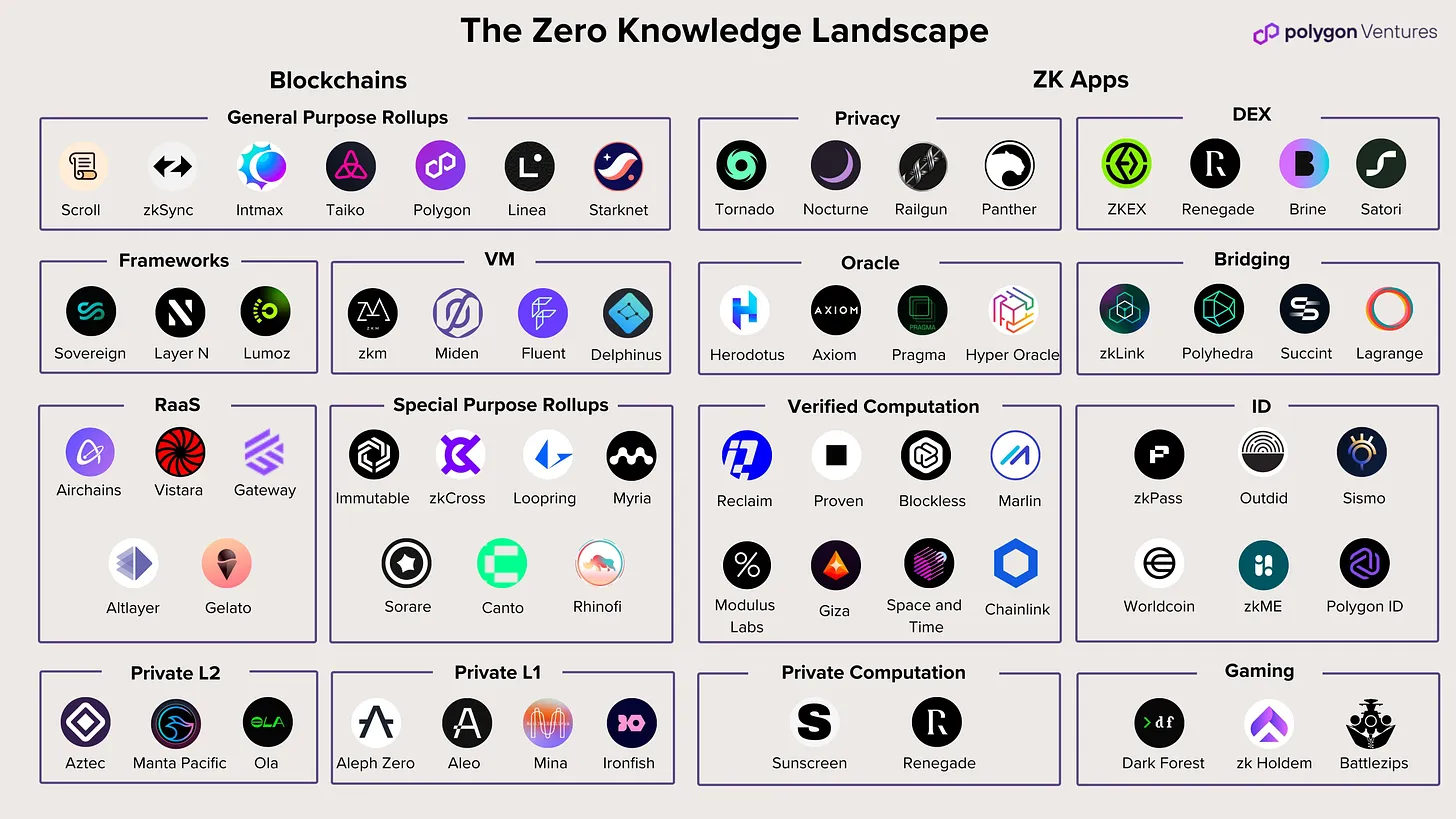
Strategic partnerships between blockchain infrastructure firms and legacy KYC providers are accelerating adoption. Rather than building standalone solutions, major vendors are embedding ZK protocols into existing compliance workflows. This hybrid approach allows institutions to maintain legacy system compatibility while gaining the privacy benefits of zero-knowledge proofs. For market participants, the focus is no longer just on verification speed but on the cryptographic guarantee that no unnecessary data is retained.
Frequently asked questions about ZK KYC
Helpful gear
Use these product recommendations as a starting point, then choose the size, material, and price point that fit how you actually use the gear.


As an Amazon Associate, we may earn from qualifying purchases.
No comments yet. Be the first to share your thoughts!