Zk kyc systems limits to account for
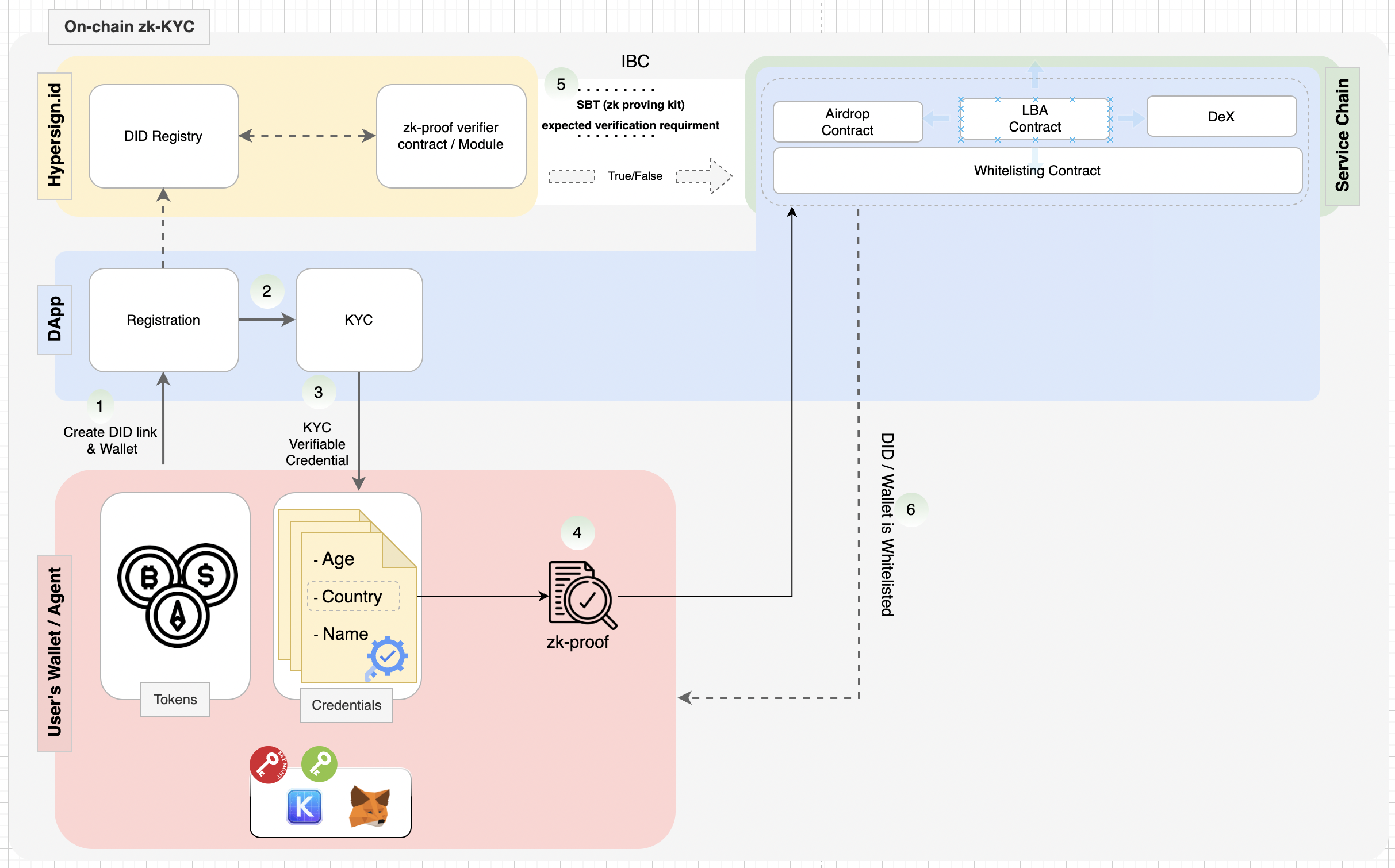
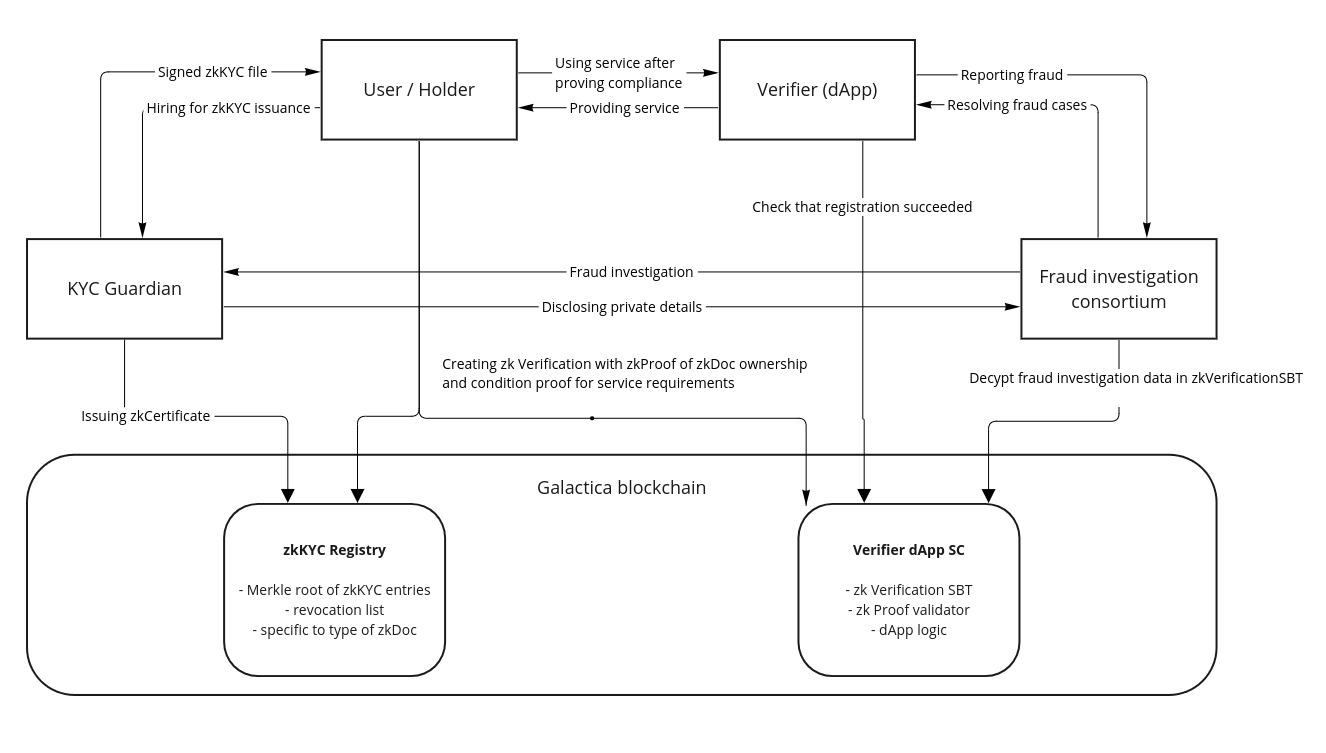
Zero-knowledge KYC solves the data hoarding problem, but it introduces a new bottleneck: proving compliance without revealing the underlying identity. Traditional KYC requires sharing raw documents—passports, utility bills, tax IDs—with every service provider. This creates a massive attack surface for breaches and identity theft. ZK-KYC shifts the model. Instead of sharing data, users generate cryptographic proofs that they meet specific criteria, such as being over 18 or residing in a permitted jurisdiction, without exposing the actual document content.
The constraint lies in the complexity of generating these proofs. A user’s wallet must hold a verifiable credential issued by a trusted authority. To enter a permissioned pool, such as a regulated DeFi platform, the user generates a proof of this credential. This ensures all participants are vetted without exposing their identities to other traders or the platform itself. The system relies on the integrity of the initial issuer and the robustness of the cryptographic protocol.
However, this privacy-preserving approach is not without trade-offs. The computational cost of generating ZK proofs can be higher than standard document uploads, potentially affecting user experience on mobile devices. Additionally, regulatory clarity is still evolving. While the technology offers superior privacy, institutions must ensure their ZK-KYC systems align with 2026 AML guidelines, which increasingly demand traceability for high-risk transactions even if the user’s identity remains hidden from peers. The challenge is balancing this cryptographic rigor with the operational simplicity regulators expect.
Zk kyc systems choices that change the plan
Choosing a zero-knowledge KYC architecture requires balancing privacy, cost, and regulatory acceptance. No single protocol solves every constraint. Evaluate these factors based on your deployment scale and risk profile.
Proof generation speed
Proof generation is the primary bottleneck. SNARKs (Succinct Non-Interactive Arguments of Knowledge) generate proofs in seconds but require a trusted setup ceremony, introducing a one-time security assumption. STARKs (Scalable Transparent Arguments of Knowledge) are post-quantum secure and require no trusted setup, but proof generation can take minutes or hours depending on circuit complexity.
For high-frequency DeFi onboarding where latency matters, SNARKs are often preferred for their speed. For long-term archival compliance where quantum resistance is prioritized, STARKs offer better future-proofing despite the wait time.
Circuit complexity and gas costs
The complexity of your KYC circuit directly impacts the cost of verification on-chain. Simple circuits that only prove "over 18" are cheap to verify. Complex circuits that verify multiple attributes (age, residency, sanction list checks) or integrate off-chain data sources increase the proof size and gas fees.
If you are deploying on Ethereum L1, high gas costs may make complex proofs prohibitive. Consider using L2 rollups or sidechains that support ZK proof verification at lower costs. Always benchmark your specific circuit against target chain gas prices.
Regulatory acceptance and standardization
Regulators are still defining how they view ZK proofs. Currently, most jurisdictions accept traditional KYC data storage. ZK-KYC shifts the burden of proof from data possession to mathematical verification. This is a significant legal shift.
Look for standards like ERC-3643 or emerging ZK-specific compliance frameworks. Systems that align with recognized verifiable credential standards (W3C VC) are more likely to gain regulatory traction. Avoid proprietary protocols that lack industry backing.
Interoperability
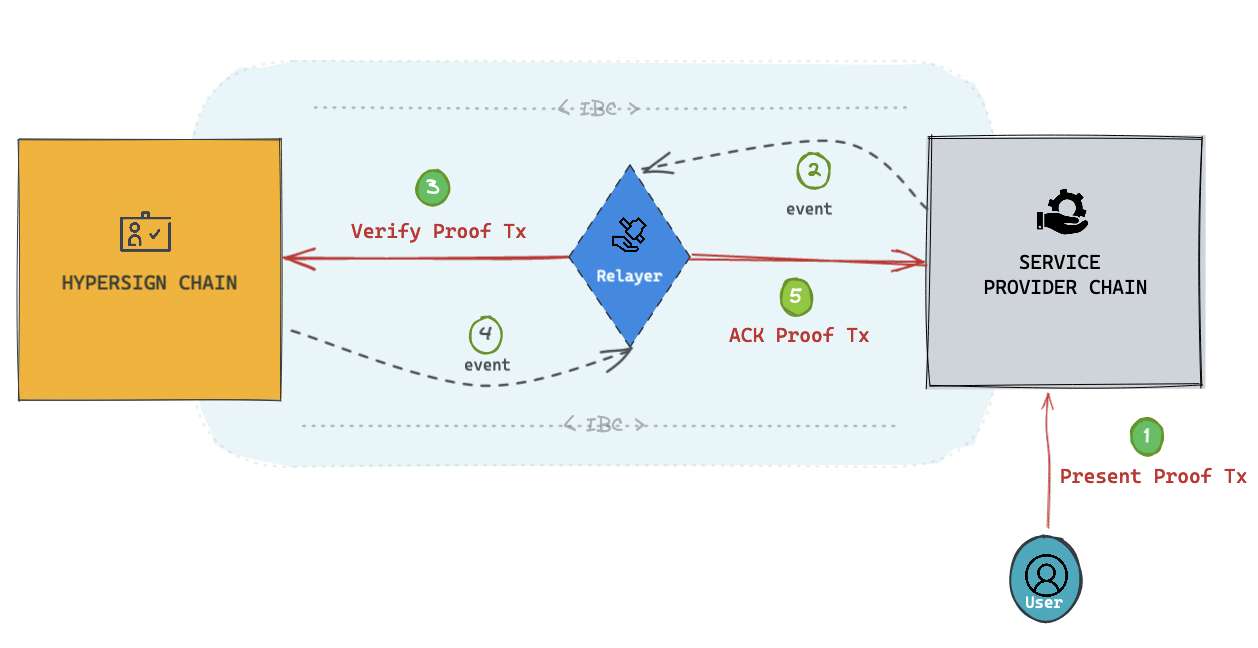
Users expect their KYC status to be portable across platforms. If your ZK-KYC system is siloed, it adds friction. Choose systems that support universal verifiable credentials or cross-platform proof verification. This ensures that a user verified once can access multiple services without re-verification.
| Feature | SNARK | STARK | Traditional KYC |
|---|---|---|---|
| Proof Speed | Seconds | Minutes/Hours | Instant |
| Trusted Setup | Required | No | N/A |
| Quantum Resistance | No | Yes | No |
| Gas Cost | Low | Medium | N/A |
| Regulatory Maturity | Low | Very Low | High |
Market Context
The infrastructure supporting ZK-KYC is evolving rapidly. While the technology matures, the underlying asset markets it often secures remain volatile. Understanding the broader crypto market context helps in planning for scalability and user adoption cycles.
The integration of ZK proofs into financial rails is not just a technical upgrade but a market differentiator. Platforms that adopt privacy-preserving compliance early may capture users sensitive to data exposure, particularly in institutional DeFi where confidentiality is paramount.
Choose the next step
ZK KYC Systems works best as a clear sequence: define the constraint, compare the realistic options, test the tradeoff, and choose the path with the fewest hidden costs. That order keeps the advice usable instead of decorative. After each step, pause long enough to check whether the recommendation still fits the reader's actual situation. If it depends on perfect timing, unusual access, or a best-case budget, include a simpler fallback.
Watch out for weak zero-knowledge KYC options
Not every ZK-KYC system delivers the privacy or compliance you need. Many providers market "privacy-preserving" features that still leak metadata or rely on centralized identity oracles. Before committing infrastructure, check these three common pitfalls.
1. Centralized Identity Oracles
Some systems use a central authority to issue the initial credential. While the final proof is zero-knowledge, the initial issuance point remains a single point of failure and privacy risk. If the oracle is compromised, all linked credentials are exposed. Prefer systems where the user holds the private key for the initial credential generation.
2. Weak Proof Systems
Not all zero-knowledge protocols are equal. Some older systems require heavy computational overhead, making them unsuitable for mobile users. Others lack formal verification, meaning theoretical vulnerabilities could exist. Ensure the system uses a modern, audited circuit like PLONK or STARKs, which offer better scalability and security guarantees.
3. Non-Compliant Data Fields
ZK-KYC must satisfy regulatory requirements. Some implementations prove "age over 18" but fail to prove jurisdiction or sanction list clearance. If your business requires anti-money laundering (AML) checks, ensure the ZK circuit can verify these specific regulatory flags without revealing the underlying identity data. A proof that only shows age is insufficient for most financial compliance needs.
Zk kyc systems: what to check next
Helpful gear
Use these product recommendations as a starting point, then choose the size, material, and price point that fit how you actually use the gear.


As an Amazon Associate, we may earn from qualifying purchases.
No comments yet. Be the first to share your thoughts!