
Zk kyc systems market limits to account for
Adoption of zero-knowledge proof KYC is moving from pilot programs to production, but the infrastructure faces distinct hurdles. The global zero-knowledge proof market size was estimated at USD 1,277.7 million in 2024 and is expected to reach USD 1,535.3 million in 2025, signaling strong interest in privacy-preserving verification methods. However, scaling these systems to meet enterprise-grade compliance requires overcoming significant technical and regulatory friction.
The primary constraint lies in computational intensity. Generating zero-knowledge proofs is resource-heavy, often requiring specialized hardware or cloud optimization to maintain acceptable latency for user onboarding. While the KYC market is growing rapidly—valued at USD 7.8 billion in 2026 with a projected CAGR of 15.88%—integrating ZK proofs into legacy banking workflows remains complex. Financial institutions must balance the privacy benefits against the cost of proof generation and verification.
Regulatory clarity also lags behind technological capability. Traditional KYC providers like Sumsub, Veriff, and Jumio have established clear audit trails based on data storage. ZK-KYC shifts this model: users prove criteria like age or jurisdiction without revealing underlying personal data. Regulators are still defining how to audit these proofs effectively. Until standards for "verifiable compliance" are widely accepted, many organizations remain cautious about fully replacing traditional identity storage with zero-knowledge architectures.
Zk kyc systems market choices that change the plan
Choosing a zero-knowledge KYC architecture requires balancing privacy guarantees against operational complexity. The market is shifting from simple identity checks to complex cryptographic proofs, but this transition introduces specific tradeoffs that impact cost, speed, and compliance readiness. Understanding these variables helps teams select infrastructure that aligns with their risk profile and user experience goals.
Privacy vs. Regulatory Auditability
Zero-knowledge proofs allow users to verify attributes like age or residency without revealing underlying data. This maximizes privacy but complicates regulatory audits. Regulators often require detailed transaction logs and identity trails that ZK systems intentionally obscure. Teams must implement robust zero-knowledge audit trails to satisfy compliance teams without breaking the privacy promise. This often requires additional layers of permissioned access or hybrid models that keep raw data off-chain while proving compliance on-chain.
Computational Cost vs. User Experience
Generating ZK proofs is computationally expensive. While verification is fast, proof generation can take seconds or minutes depending on the circuit complexity. This latency directly impacts user onboarding friction. High-end zk-SNARKs offer smaller proof sizes and faster verification but require expensive setup ceremonies. zk-STARKs are transparent and quantum-resistant but generate larger proofs. Companies must decide if the privacy benefit justifies the longer wait time for new users or if they should use hybrid approaches for low-risk interactions.
Standardization vs. Customization
The ZK KYC landscape lacks universal standards, leading to fragmented protocols. Some providers offer standardized circuits for common checks like passport validation, while others require custom circuit development. Customization offers flexibility but increases development time and security risks. Standardized solutions accelerate deployment but may not fit niche regulatory requirements. Organizations should prioritize providers with open-source, audited circuits to reduce integration risks and ensure interoperability across different platforms.
Implementation Complexity
Building or integrating ZK KYC requires specialized cryptographic expertise. Most organizations rely on third-party infrastructure providers who handle the heavy lifting of circuit design and proof generation. However, integrating these APIs into existing identity management systems remains non-trivial. Teams must evaluate the provider’s API stability, documentation quality, and support for edge cases. Choosing a provider with mature SDKs and clear compliance certifications reduces the technical debt associated with adopting privacy-first verification.
| Factor | Pro | Con |
|---|---|---|
| Privacy | No raw data stored | Harder regulatory audits |
| Speed | Fast verification | Slow proof generation |
| Cost | Lower data breach risk | High compute costs |
| Flexibility | Customizable proofs | Integration complexity |
Choosing a zk KYC implementation strategy
Selecting a zero-knowledge KYC system requires balancing regulatory compliance, user privacy, and technical integration. The market offers distinct approaches ranging from self-sovereign identity wallets to centralized verification hubs. Your choice depends on whether you prioritize user autonomy, institutional control, or hybrid interoperability.
Users store verified credentials in personal digital wallets and generate ZK proofs on-device. This model offers maximum privacy but requires significant user education and wallet adoption. Best for decentralized finance (DeFi) platforms and Web3-native applications where user trust is paramount. Integration complexity is high due to the need for cross-wallet interoperability standards.
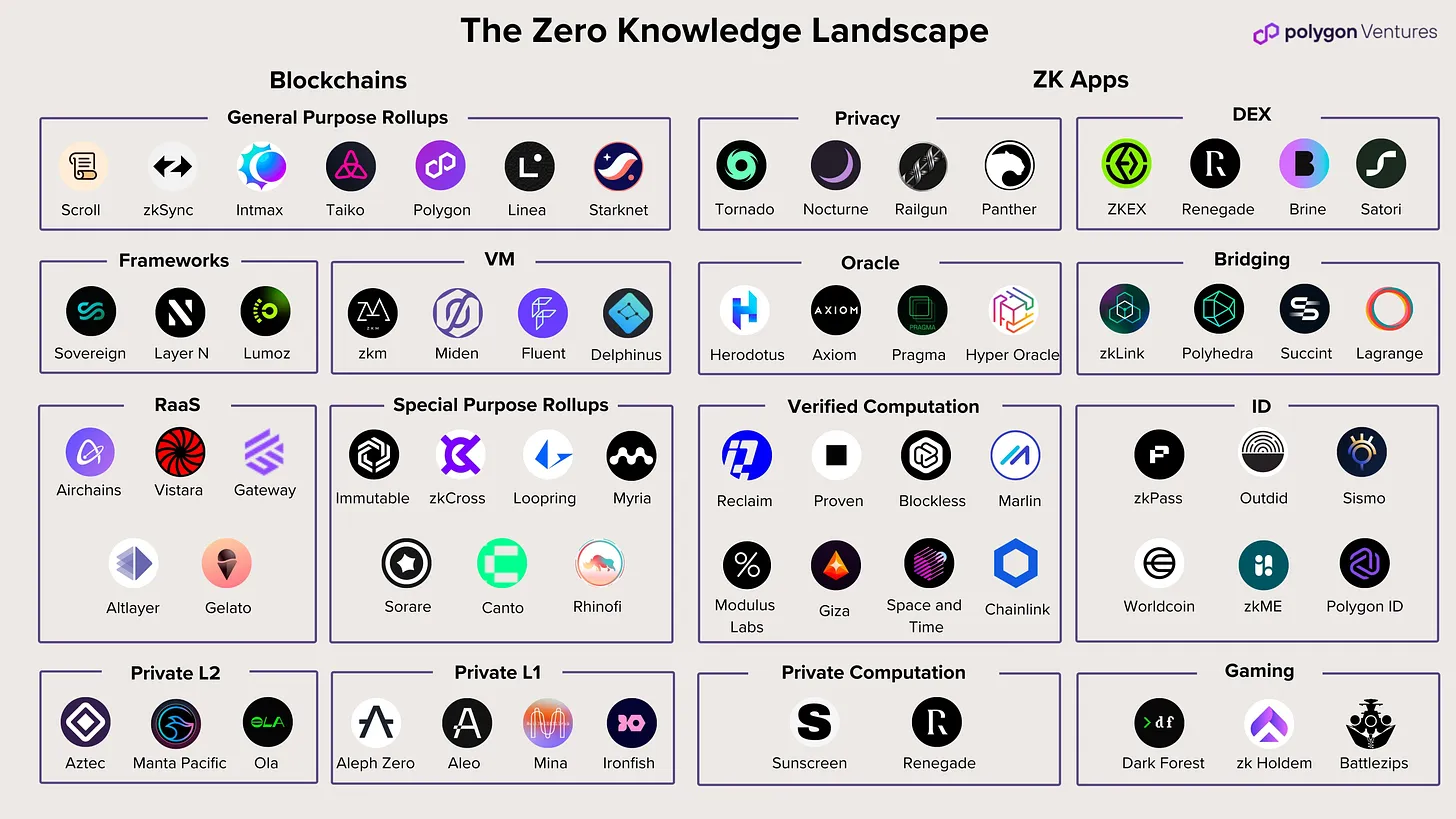
A trusted third party performs the initial identity check and issues ZK proofs that users can present to multiple services. This reduces user friction and leverages existing KYC infrastructure like Sumsub or Veriff. Ideal for regulated fintechs and exchanges that need to comply with strict AML laws while minimizing redundant data collection.
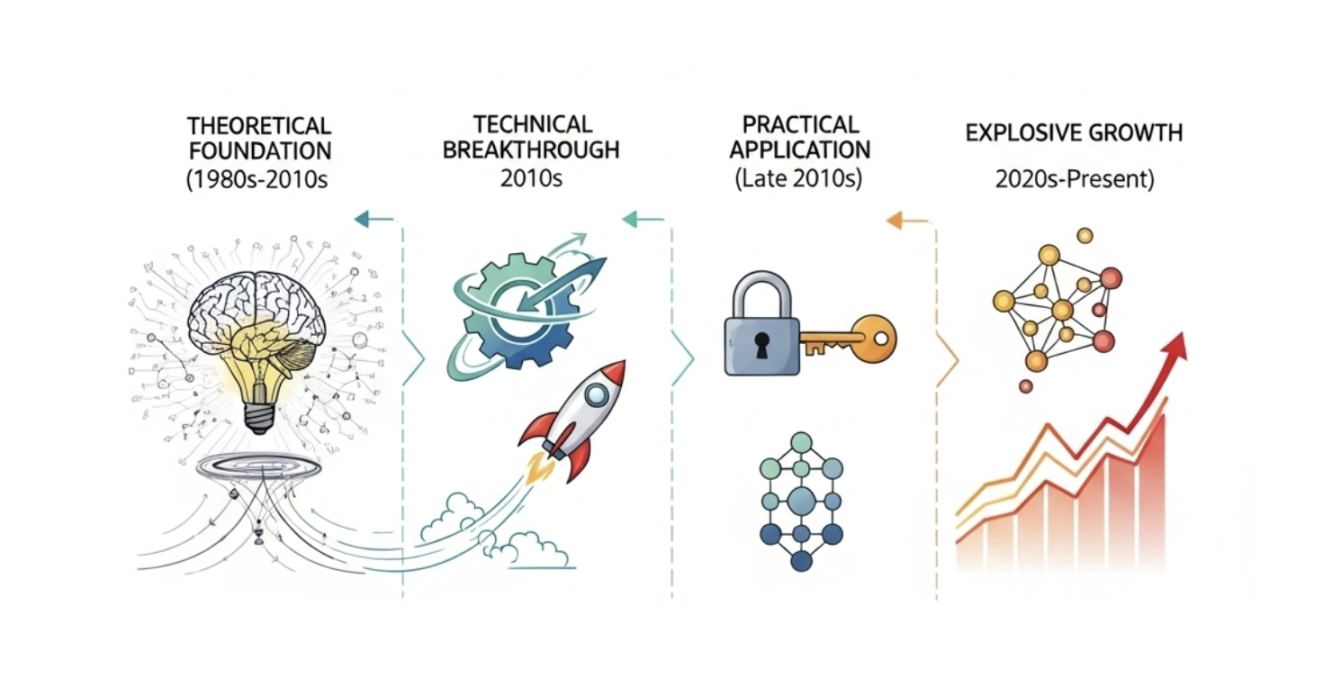
Combines on-chain reputation signals with off-chain ZK proofs. The system verifies eligibility without storing personal data on the blockchain. This approach balances auditability with privacy, making it suitable for enterprise-grade compliance and cross-border financial services. It requires robust oracle infrastructure to bridge off-chain identity data with on-chain logic.


As an Amazon Associate, we may earn from qualifying purchases.
Evaluate each option against your specific compliance requirements. SSI wallets offer the highest privacy but lowest conversion rates. Centralized hubs provide ease of use but create single points of failure. Hybrid models offer a middle ground but require complex engineering. The right choice aligns with your risk tolerance and user base expectations.
Weak ZK-KYC Options and Common Mistakes
Zero-knowledge proof KYC systems promise privacy-preserving compliance, but the market is crowded with misleading claims. Many providers market "decentralized identity" solutions that still require centralized data storage, defeating the core purpose of ZK proofs. When evaluating vendors, look for transparent architecture diagrams rather than vague promises of "blockchain security."
A common mistake is assuming all ZK-KYC implementations are equal. Some systems only verify binary attributes (e.g., "over 18"), while others support complex regulatory criteria like jurisdictional residency or sanction list checks. Choose providers that explicitly support your specific compliance needs rather than generic age verification.
Another pitfall is ignoring integration complexity. ZK-KYC requires significant computational resources for proof generation and verification. Ensure your chosen provider offers SDKs compatible with your existing tech stack, and consider the latency implications for user experience. The KYC market is growing rapidly, reaching $7.8 billion by 2026, but not all growth represents genuine ZK innovation.
Finally, be wary of vendors who claim "zero knowledge" but still retain copies of your underlying documents. True ZK-KYC should never expose personal data to the verifier. Verify their data retention policies and audit trails to ensure they align with GDPR and other privacy regulations.
Zk kyc systems market research: what to check next
Before integrating zero-knowledge proof infrastructure, teams need clear answers on market size, vendor options, and technical definitions. Here are the practical answers to the most common questions driving this research.
No comments yet. Be the first to share your thoughts!