How ZK KYC preserves identity data
Traditional Know Your Customer (KYC) processes require institutions to store sensitive personal information—passports, bank statements, and proof of residence. This centralization creates high-value targets for attackers, as seen in numerous data breaches across the financial sector. ZK KYC Systems change this dynamic by allowing users to prove they meet specific regulatory criteria without revealing the underlying Personally Identifiable Information (PII).
Instead of handing over a copy of your driver’s license, you generate a cryptographic proof that confirms you are over 18, reside in a permitted jurisdiction, or are not on a sanctions list. The verifier receives only the binary result: compliant or not. This approach aligns with the principle of data minimization, a core requirement in modern regulatory frameworks like the GDPR and MiCA. By limiting data exposure, organizations reduce their liability and users retain control over their digital identity.
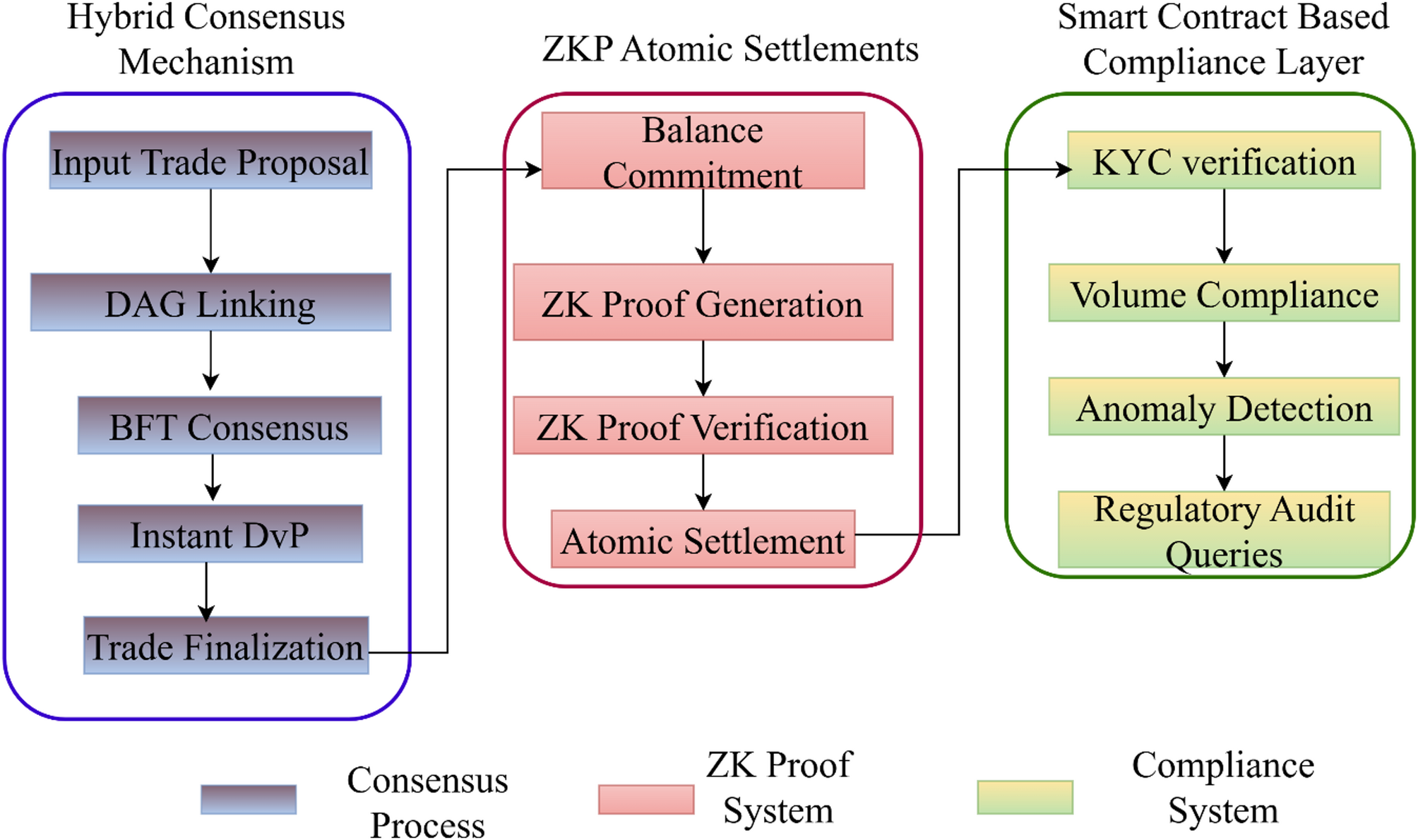
This mechanism relies on zero-knowledge proofs (ZKPs), a form of cryptography where one party can prove to another that a statement is true without revealing any information beyond the validity of the statement itself. When you interact with a ZK KYC-enabled platform, your wallet issues a verifiable credential. You then generate a proof of this credential to enter a permissioned environment, ensuring all participants are vetted entities without exposing their identities to other traders or the public ledger. This preserves the auditability required by regulators while protecting the privacy demanded by users.
Step 1: Select a trusted attestation provider
The first move in any ZK KYC Systems guide is choosing the right attestation provider. This entity performs the initial identity verification and issues the verifiable credential that serves as the foundation for your zero-knowledge proofs. Because this step involves sensitive personal data and legal compliance, the provider’s infrastructure must be both technically robust and legally sound.
When evaluating providers, prioritize those that process identity data within hardware-isolated enclaves. This ensures that personally identifiable information (PII) is never stored or exposed in plaintext, even to the provider’s own staff. The goal is to verify the user’s identity without collecting or retaining the underlying documents, aligning with privacy-first regulatory standards.
Look for providers that explicitly state their compliance with relevant financial regulations, such as the EU’s MiCA or local AML directives. A credible provider will offer clear documentation on how they handle data lifecycle management and cryptographic key storage. Avoid providers that rely on marketing fluff; instead, review their technical whitepapers or official documentation to understand their attestation flow.
Issue verifiable credentials to users
Once the identity provider completes the verification, the next phase is issuing a signed credential. This document serves as the cryptographic proof that the user has passed compliance checks. Instead of storing raw personal data on-chain, the system issues a W3C-compliant Verifiable Credential (VC) to the user's digital wallet or identity hub.
This step is critical for maintaining privacy. The credential contains only the necessary attestations—such as "over 18" or "sanctions-cleared"—rather than the user's full identity. By keeping the raw data off-chain and in the user's control, you ensure that the user retains ownership of their proof. This aligns with the core principle of ZK KYC systems: verification without exposure.
The issuance process generally follows these steps:
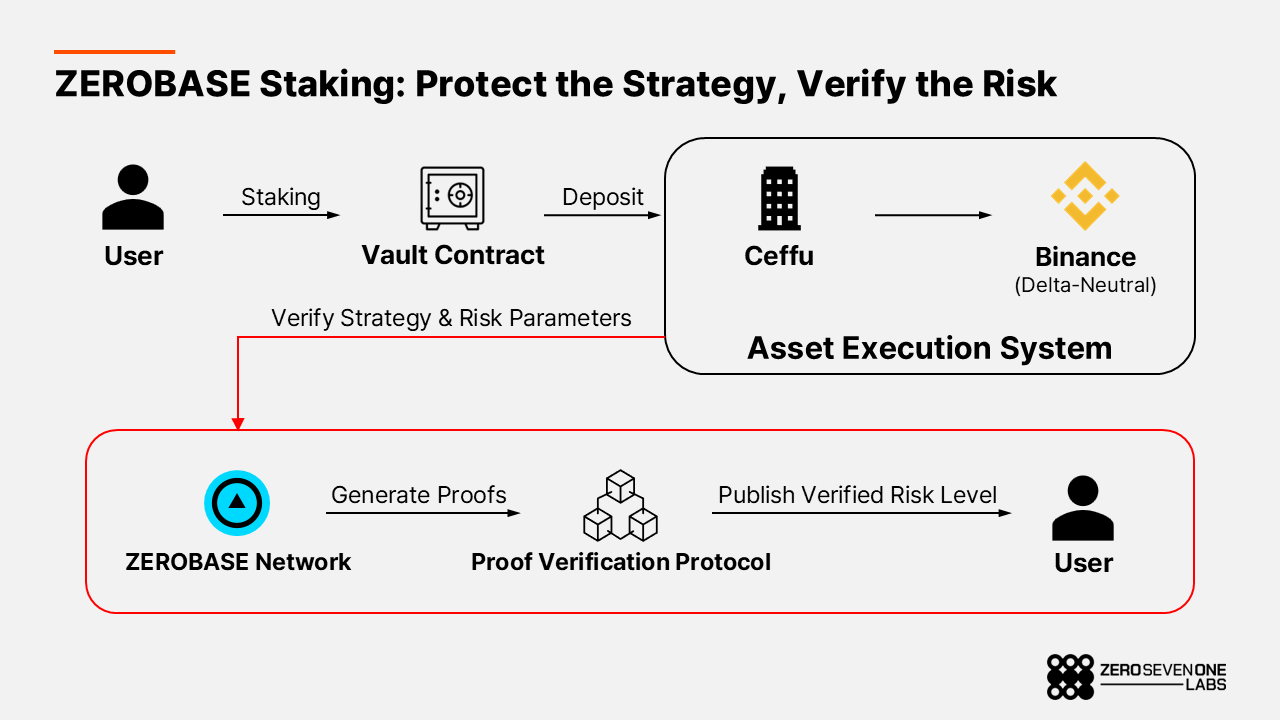
The user submits their identity documents to the trusted issuer. The issuer performs due diligence, checking against sanctions lists and verifying document authenticity. Only after successful validation does the process move to credential generation.
The issuer creates a JSON-LD credential containing the verified claims. This credential is digitally signed using the issuer's private key. The signature ensures that the credential cannot be forged and can be cryptographically verified by any third party.
The signed credential is issued to the user's decentralized identity (DID) wallet. The user now holds the credential in their personal storage. They can present it later to generate zero-knowledge proofs without revealing the underlying data.
By structuring the flow this way, you create a system where the user controls their compliance status. This reduces liability for the issuer and enhances privacy for the user, which is the primary advantage of implementing ZK KYC systems in regulated environments.
Step 3: Generate zero-knowledge proofs
ZK KYC Systems works best as a clear sequence: define the constraint, compare the realistic options, test the tradeoff, and choose the path with the fewest hidden costs. That order keeps the advice usable instead of decorative. After each step, pause long enough to check whether the recommendation still fits the reader's actual situation. If it depends on perfect timing, unusual access, or a best-case budget, include a simpler fallback.
Verify proofs on-chain or off-chain
With the zero-knowledge proof generated, the final hurdle is validation. In a ZK KYC Systems guide, this step determines whether the user gains access to the restricted service. The verification logic checks if the mathematical proof is valid against the public parameters without revealing the underlying identity data.
This verification can happen in two places: directly on the blockchain via a smart contract, or off-chain through a compliance oracle. Choosing the right path depends on your cost, speed, and decentralization requirements.
1. On-Chain Verification with Smart Contracts
For fully decentralized applications, the smart contract itself validates the proof. This approach ensures maximum transparency and trustlessness, as anyone can audit the verification logic. However, on-chain verification is computationally expensive and gas-intensive, which can limit scalability for high-frequency transactions.
2. Off-Chain Verification via Oracles
Alternatively, a compliance oracle can verify the proof off-chain. The oracle checks the proof against the public parameters and then signs a simple "verified" statement. The smart contract only needs to verify the oracle's signature, which is significantly cheaper and faster. This model is often preferred for institutional DeFi platforms where cost efficiency matters.
3. Granting Access or Permission
Once the proof is verified—whether on-chain or off-chain—the system grants the user permission. This might unlock a permissioned liquidity pool, allow trading on a regulated exchange, or enable access to specific financial instruments. The user remains anonymous to other participants, but the system knows they are compliant.
4. Handling Rejected Proofs
If the proof fails verification, the system denies access. Common reasons include an invalid proof structure, expired credentials, or the user attempting to use a revoked identity. Clear error messages help users understand why their verification failed and guide them through re-submission or credential renewal.
Common mistakes in ZK KYC implementation
Even with zero-knowledge cryptography, ZK KYC Systems guide implementations can fail if the surrounding infrastructure is weak. The cryptographic proof only guarantees that the statement is true; it does not guarantee that the underlying attestation provider is trustworthy or secure.
Trusting unverified attestation providers
The weakest link in a ZK KYC chain is often the identity provider. If you rely on a vendor that stores raw PII in poorly secured databases, a breach at their end compromises your entire system. As noted by zkPass, KYC providers holding passports or bank statements create high-value targets for attackers. Always audit the security posture of your attestation providers before integrating them.
Failing to update proof circuits
Regulatory requirements evolve rapidly. A proof circuit designed for one jurisdiction’s KYC standards may not satisfy another’s. If your circuit logic is static, you risk issuing proofs that are legally invalid or technically outdated. Regularly review your circuit definitions against current AML and KYC guidelines to ensure they remain compliant.
Leaking metadata through side channels
Zero-knowledge proofs conceal the data itself, but side-channel attacks can leak metadata. Timing differences, memory access patterns, or network latency can inadvertently reveal information about the user’s identity or the data being processed. Implement constant-time algorithms and secure enclaves, such as those used by Treza Labs, to mitigate these risks and ensure true privacy preservation.
Frequently asked questions about ZK KYC
Understanding how zero-knowledge proofs change identity verification helps clarify why this method is gaining traction in regulated finance.
No comments yet. Be the first to share your thoughts!