Zk kyc systems limits to account for
Building a zero-knowledge KYC system requires solving a fundamental tension: how to prove identity without revealing it. The constraint lies in the architecture of the proof itself. Unlike traditional KYC, which stores sensitive data in centralized databases, ZK KYC relies on cryptographic proofs that verify specific attributes—like age or citizenship status—without exposing the underlying personal information.
The primary challenge is balancing privacy with regulatory compliance. Financial institutions must satisfy anti-money laundering (AML) rules, which often require knowing the customer. ZK-KYC allows an institution to issue a verifiable credential to a user's wallet. The user then generates a proof of this credential to enter a permissioned pool, ensuring all participants are vetted entities without exposing their identities to other traders or the public ledger.
This approach shifts the burden of proof from data storage to data verification. Instead of trusting a central authority with your passport scan, you trust a mathematical proof. However, this introduces new constraints around key management and proof generation speed. If the system is not designed carefully, it can create "master keys" or single points of failure that defeat the purpose of decentralization. The goal is a system where privacy is the default, not an afterthought, and where compliance is automated through code rather than manual review.
Zk kyc systems choices that change the plan
Choosing a zero-knowledge KYC architecture requires balancing privacy guarantees against regulatory scrutiny. No single solution fits every jurisdiction, but understanding the core tradeoffs helps institutions select the right infrastructure for their risk profile.
Proof Generation Speed
Proof generation time directly impacts user experience. SNARK-based systems offer fast verification but require heavy initial setup and trusted ceremonies. STARKs eliminate trusted setup requirements but generate larger proofs, slowing down the verification process for on-chain checks. For high-frequency trading platforms, latency matters more than absolute privacy, favoring optimized SNARK circuits.
Data Granularity
Some systems prove only binary outcomes (e.g., "over 18"), while others allow complex predicates (e.g., "resides in EU but not in OFAC sanctions list"). Granular proofs increase circuit complexity and computation costs. Institutions must decide if they need simple age verification or full jurisdictional compliance checks, as more detailed proofs expose more potential attack surfaces.
Verifier Complexity
The complexity of the on-chain verifier contract affects gas costs and upgradeability. Simple verifiers are cheaper but less flexible. Complex verifiers support dynamic policy updates but require more rigorous security audits. Regulatory changes often necessitate circuit updates, so systems with modular verifier designs offer better long-term maintainability.
Trust Assumptions
Most ZK KYC systems rely on a trusted setup ceremony to generate public parameters. If the secret randomness is compromised, the entire system's privacy guarantees collapse. Systems using STARKs or PLONKs with transparent setups remove this risk but introduce other computational tradeoffs. Institutional clients often require proof of secure ceremony execution to satisfy compliance officers.
| Feature | SNARK Approach | STARK Approach | Hybrid Model |
|---|---|---|---|
| Proof Size | Small | Large | Medium |
| Verification Speed | Fast | Slow | Balanced |
| Trusted Setup | Required | Not Required | Optional |
| Quantum Resistance | No | Yes | Partial |
| Gas Cost | Low | High | Medium |
Choose the next step
Selecting a ZK KYC architecture requires balancing regulatory auditability with user privacy. You are not just buying software; you are choosing a compliance model. The following framework outlines the four primary implementation paths currently in use. Each option carries distinct tradeoffs regarding data sovereignty, integration complexity, and regulatory acceptance.
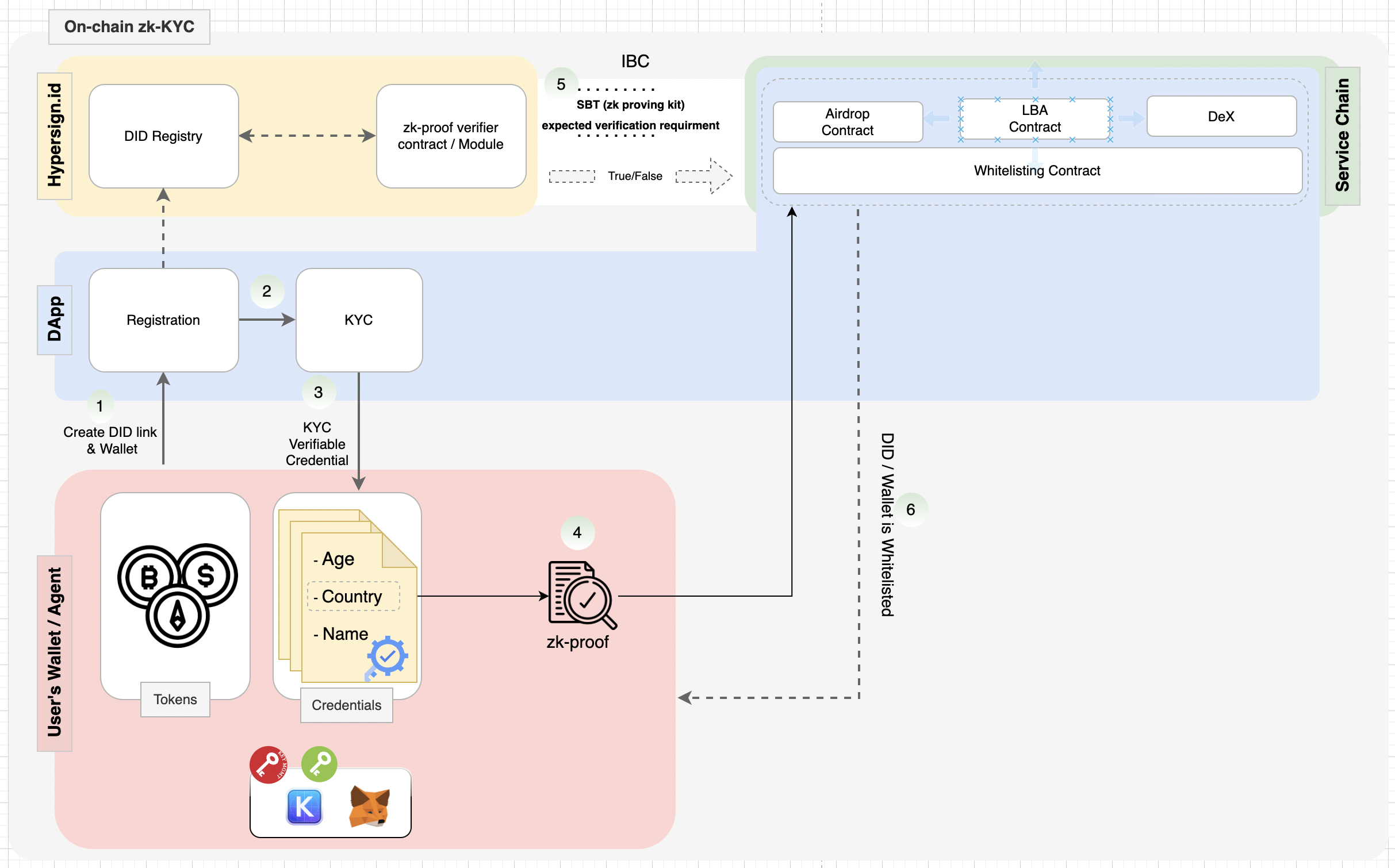
This model issues verifiable credentials directly to user wallets. The core advantage is user control: individuals hold their own identity proofs and present them only when necessary. However, verifying these credentials on-chain can be computationally expensive. It works best for permissioned DeFi pools where the protocol can afford the gas costs for constant validation.
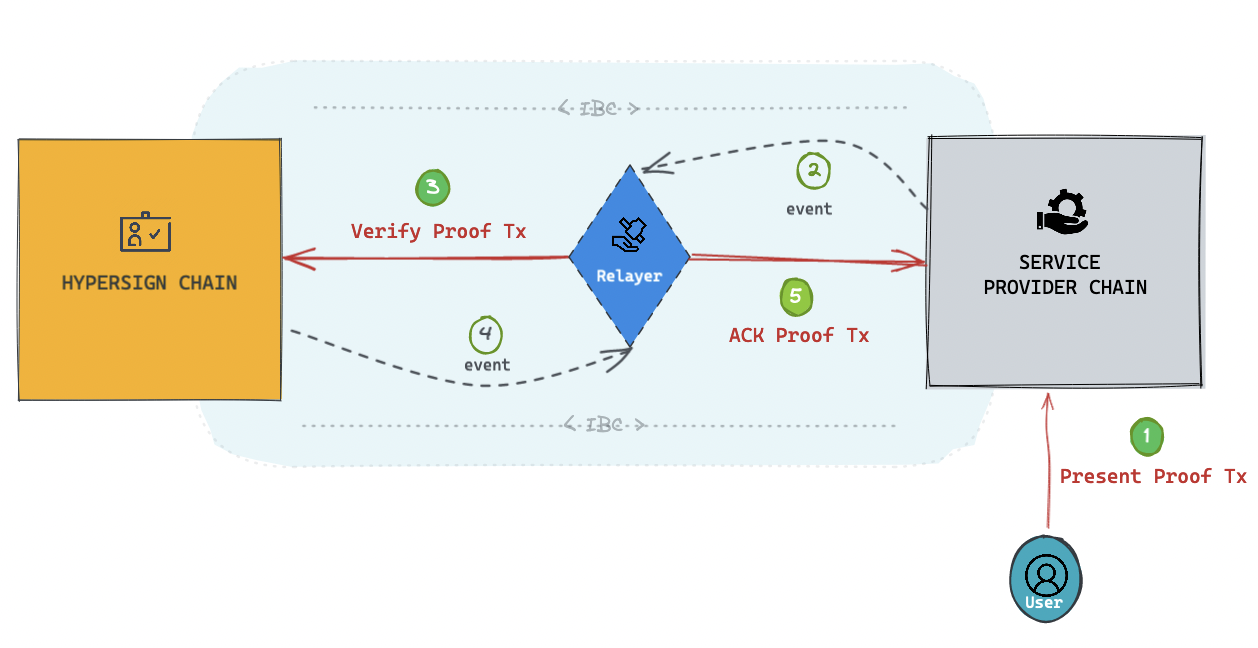
Here, a trusted third party performs the actual KYC checks. They issue a ZK-proof attestation that the user is compliant, without revealing the underlying data. This reduces the burden on your protocol but introduces a single point of failure. If the attester is compromised or shuts down, the entire verification chain breaks.
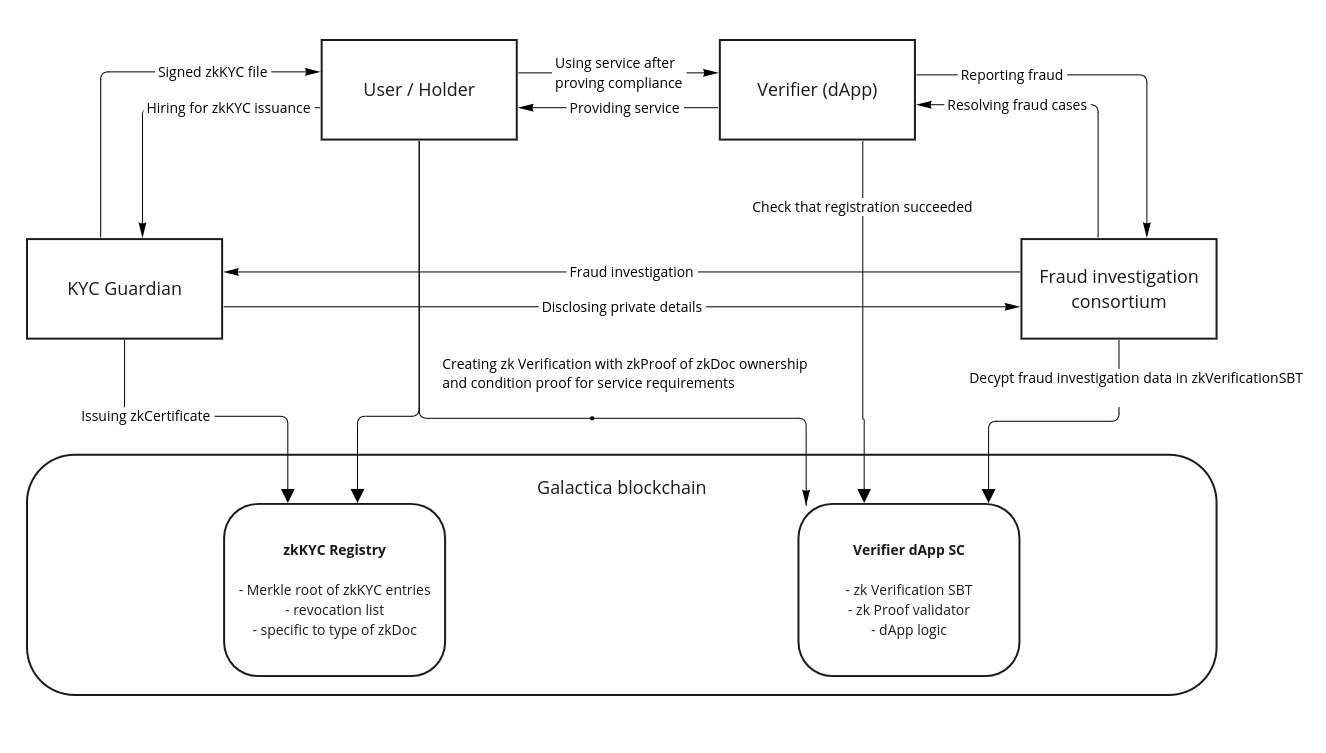
This approach uses decentralized identifiers (DIDs) to manage identity without a central registry. It offers the highest level of privacy and resistance to censorship. The downside is significant developer complexity. You must build or integrate complex DID resolvers and manage credential revocation lists, which can be difficult to maintain.
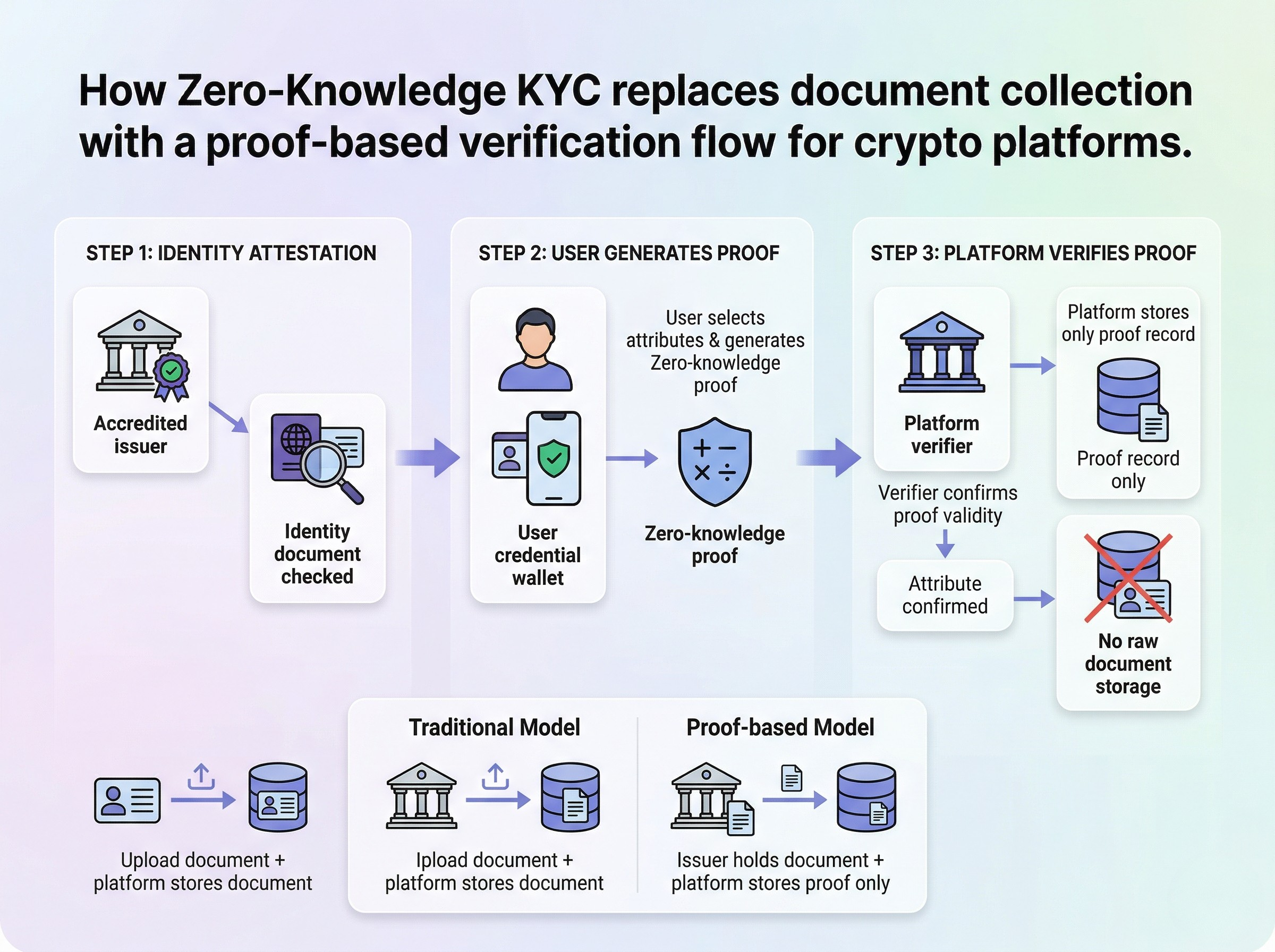
For high-throughput platforms, aggregated proofs (like SNARKs or STARKs) bundle multiple identity checks into a single verification step. This drastically reduces on-chain gas fees and latency. However, it requires a trusted setup phase, which some regulatory bodies view as a potential risk vector. This is ideal for large-scale consumer applications.
Your choice should depend on your user base size and risk tolerance. Start with the hybrid model if you need quick market entry, or move to decentralized identity if privacy is your primary value proposition.
Spotting Weak ZK KYC Options
Zero-knowledge KYC promises privacy without sacrificing compliance, but the market is crowded with vendors making claims that don't hold up in production. When evaluating 2026 systems, look past the marketing gloss to the underlying architecture. Many solutions fail because they prioritize theoretical elegance over regulatory reality.
The "Privacy-First" Trap
Some vendors market their systems as completely anonymous, implying that no identity data ever touches their servers. This is misleading. While ZK proofs hide specific data points, the initial onboarding (often called "minting" the credential) still requires traditional identity verification. A system that claims zero identity touchpoints is either lying or using a centralized third party you can't see. Always ask where the initial identity boundary lies.
Master Key Vulnerabilities
A common architectural flaw is the existence of a "master key" or universal revocation list. If a single entity can de-anonymize all users or revoke access en masse, the system isn't truly decentralized or private. Look for systems that use decentralized issuers and selective disclosure. If the vendor holds the only key to unlock user data for regulators, you don't have ZK KYC; you have encrypted identity storage with extra steps.
Compatibility Gaps
Many ZK KYC solutions are built for specific blockchains or niche DeFi protocols. If a system doesn't support standard verifiable credentials (VCs) or W3C standards, it becomes a walled garden. This limits usability and creates compliance headaches when regulators demand cross-platform audit trails. Ensure the solution integrates with existing identity frameworks rather than forcing users into a proprietary silo.
No comments yet. Be the first to share your thoughts!