Zk kyc systems strategy: navigating the compliance limits to account for
Building a zero-knowledge KYC strategy requires balancing regulatory strictness with user privacy. The core constraint is proving compliance without exposing sensitive identity data. Institutions issue verifiable credentials to a user’s wallet, allowing the user to generate a proof that they meet specific criteria—such as being a vetted entity—without revealing their identity to other participants in the network. This approach ensures that liquidity pools and permissioned access remain secure while maintaining anonymity.
However, this privacy-preserving model introduces significant technical and operational hurdles. The computational complexity of zero-knowledge proof (ZKP) protocols, particularly zk-SNARKs, can create scalability bottlenecks. As the number of users increases, the resources required to generate and verify proofs grow, potentially slowing transaction processing and increasing operational costs. Strategies must account for these latency and cost implications when designing user flows.
To mitigate these constraints, many systems adopt a hybrid approach. They use ZKPs for the final verification step while relying on traditional methods for initial data collection. This reduces the on-chain computational burden. Additionally, choosing the right proof system is critical. zk-SNARKs offer smaller proof sizes but require a trusted setup, whereas zk-STARKs are post-quantum secure but generate larger proofs. The choice depends on the specific privacy and performance requirements of the platform.
Ultimately, a successful ZK KYC strategy treats privacy as a feature, not an afterthought. It requires careful selection of cryptographic primitives and a clear understanding of regulatory expectations. By focusing on efficient proof generation and minimal data exposure, organizations can build systems that are both compliant and user-friendly. The goal is to create a seamless verification experience that respects user privacy while satisfying legal obligations.
Zk kyc systems strategy choices that change the plan
Choosing a zero-knowledge KYC architecture requires balancing privacy guarantees against regulatory friction and operational costs. There is no single standard; the right choice depends on whether your priority is user anonymity, auditability, or speed. Below are the primary tradeoff categories to evaluate before deploying a system.
Proof Type: SNARKs vs STARKs
The choice of cryptographic primitive dictates the user experience and infrastructure costs. zk-SNARKs offer small proof sizes and fast verification, making them ideal for high-throughput DeFi interactions. However, they require a trusted setup ceremony, which introduces a potential point of failure if the randomness is compromised. STARKs avoid trusted setups and are quantum-resistant, but their proofs are larger and verification is computationally heavier.
Identity Management: Centralized vs Decentralized
Centralized KYC providers (like Sumsub or Onfido) simplify compliance by handling regulatory relationships and data storage. This reduces legal liability but creates a honeypot for data breaches and concentrates power. Decentralized identity (DID) solutions, such as those leveraging W3C standards, give users control over their credentials. This enhances privacy but shifts the burden of compliance verification onto the protocol developers and may face skepticism from traditional regulators.
Verification Latency vs. Privacy Granularity
Some systems offer "instant" verification by relying on pre-verified reputation scores or cached proofs, which speeds up onboarding but reduces the freshness of the data. Other systems require real-time cryptographic proofs against a live registry, ensuring up-to-date compliance but introducing latency that can frustrate users. Additionally, granular privacy (proving only age or residency without identity) is harder to implement than binary pass/fail proofs, often requiring more complex circuit design.
| Factor | Option A | Option B | Key Tradeoff |
|---|---|---|---|
| Cryptographic Proof | zk-SNARKs | zk-STARKs | Speed vs. Trusted Setup Risk |
| Identity Storage | Centralized Provider | Decentralized (DID) | Compliance Ease vs. Data Sovereignty |
| Verification Freshness | Cached Reputation | Real-Time Proof | UX Speed vs. Regulatory Accuracy |
Regulatory Auditability
Regulators often demand the ability to trace suspicious activities or freeze assets. Fully anonymous ZK systems can conflict with AML (Anti-Money Laundering) laws. A common compromise is a "threshold" system where anonymity is preserved for most users, but specific triggers (e.g., transaction size) allow authorized parties to reveal identity. This preserves privacy for the majority while satisfying legal requirements for enforcement.
The cost of these tradeoffs is visible in the broader crypto market. As regulatory clarity improves, protocols that balance privacy with compliance are seeing increased institutional adoption. The chart below shows the correlation between market volatility and the demand for compliant infrastructure.
Build a ZK KYC Decision Framework
Selecting a zero-knowledge KYC stack requires balancing regulatory compliance with user privacy. You are not just choosing software; you are choosing how much trust you delegate to third-party verifiers. The following steps outline a practical framework for evaluating infrastructure, tools, and market viability.
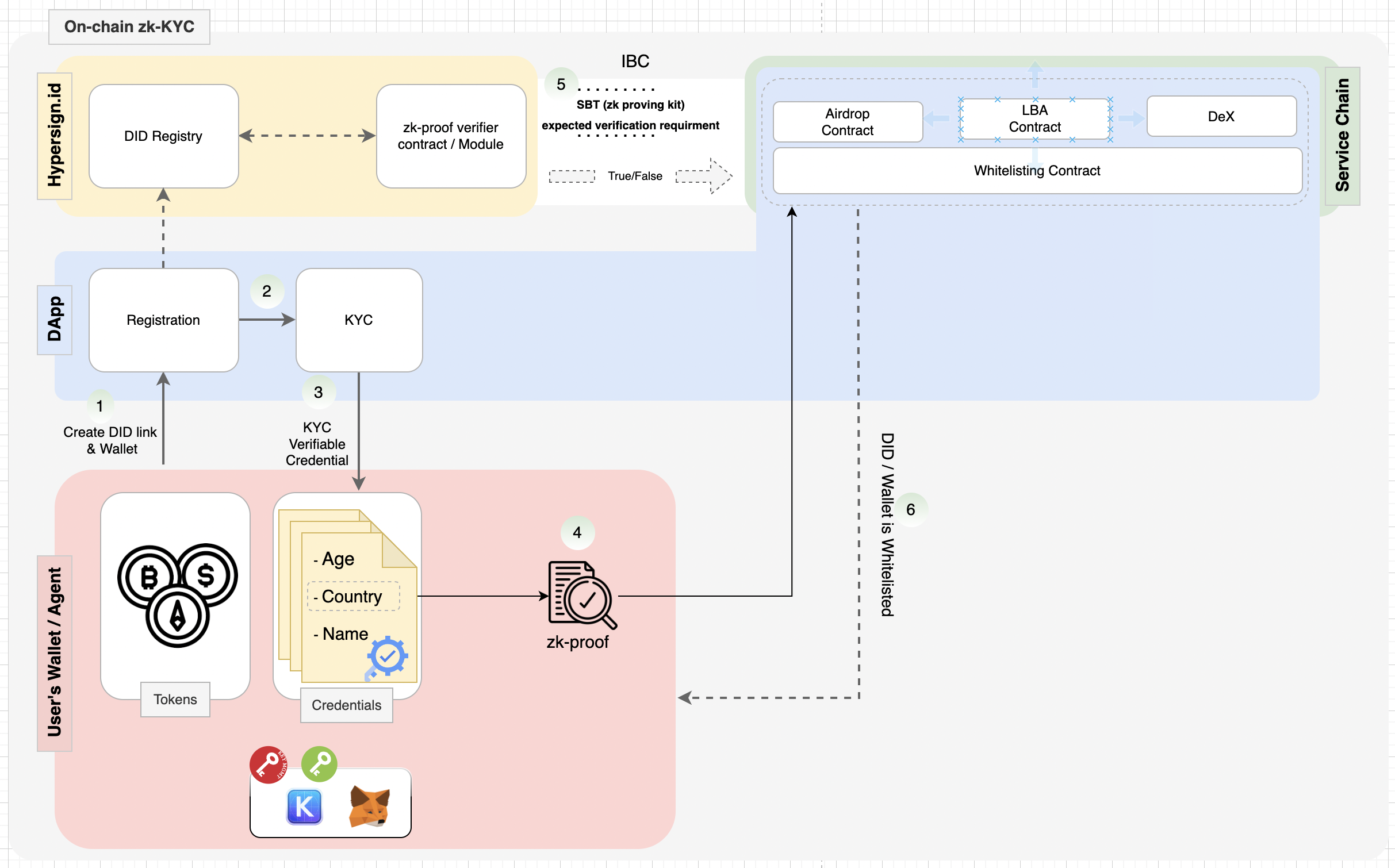
Determine exactly what data must remain private. Traditional KYC exposes full identity documents to the platform. ZK KYC allows users to prove specific attributes—such as "over 18" or "not on a sanctions list"—without revealing their name or address. Define the minimal set of claims your business actually needs to satisfy regulatory requirements.
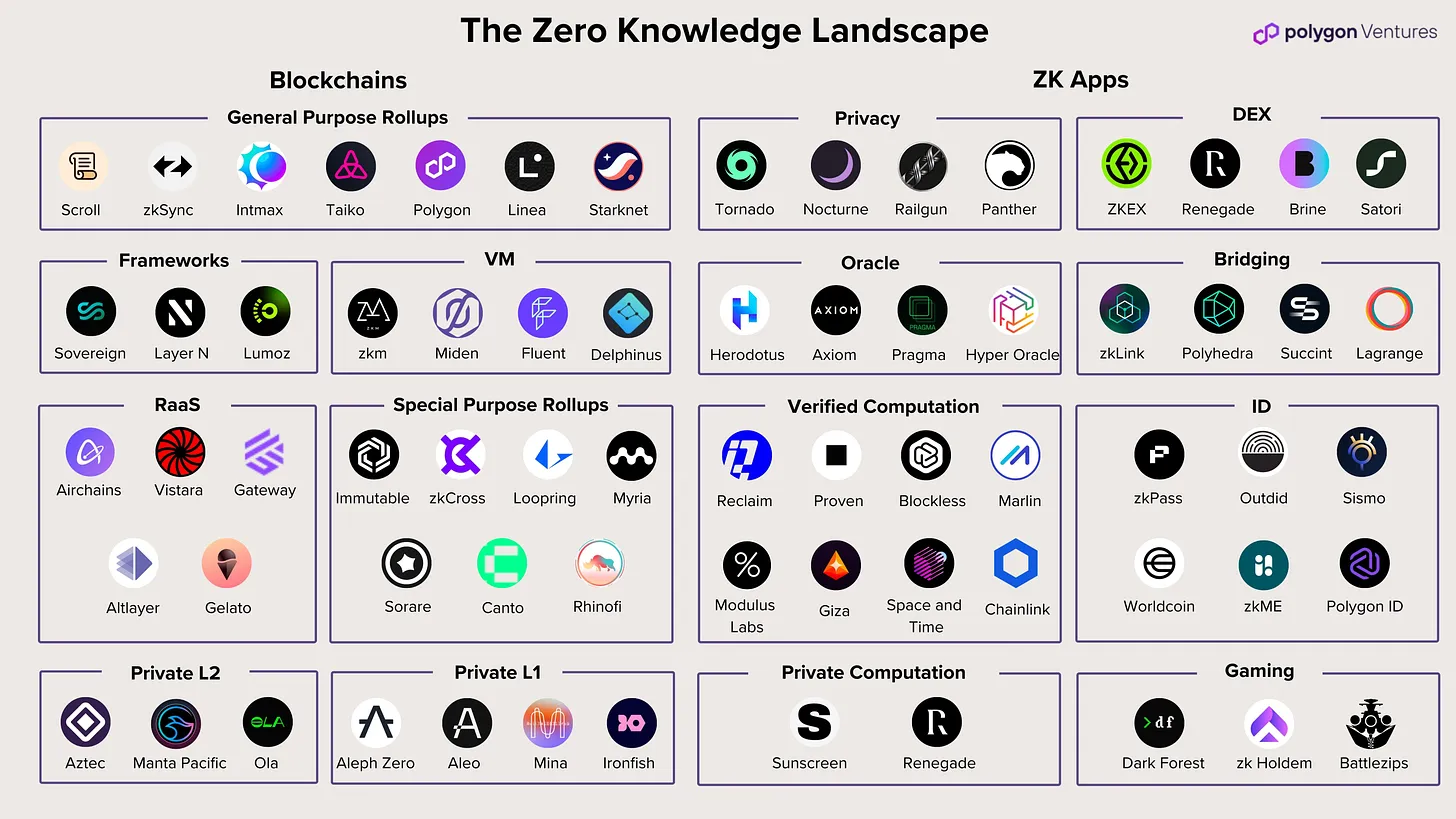
Choose between zk-SNARKs and zk-STARKs based on your scale. zk-SNARKs offer smaller proof sizes and faster verification but require a trusted setup, which introduces a one-time trust assumption. zk-STARKs are quantum-resistant and do not require trusted setups but generate larger proofs. For high-frequency consumer apps, SNARKs are often preferred for user experience; for enterprise compliance, STARKs may offer better long-term security.
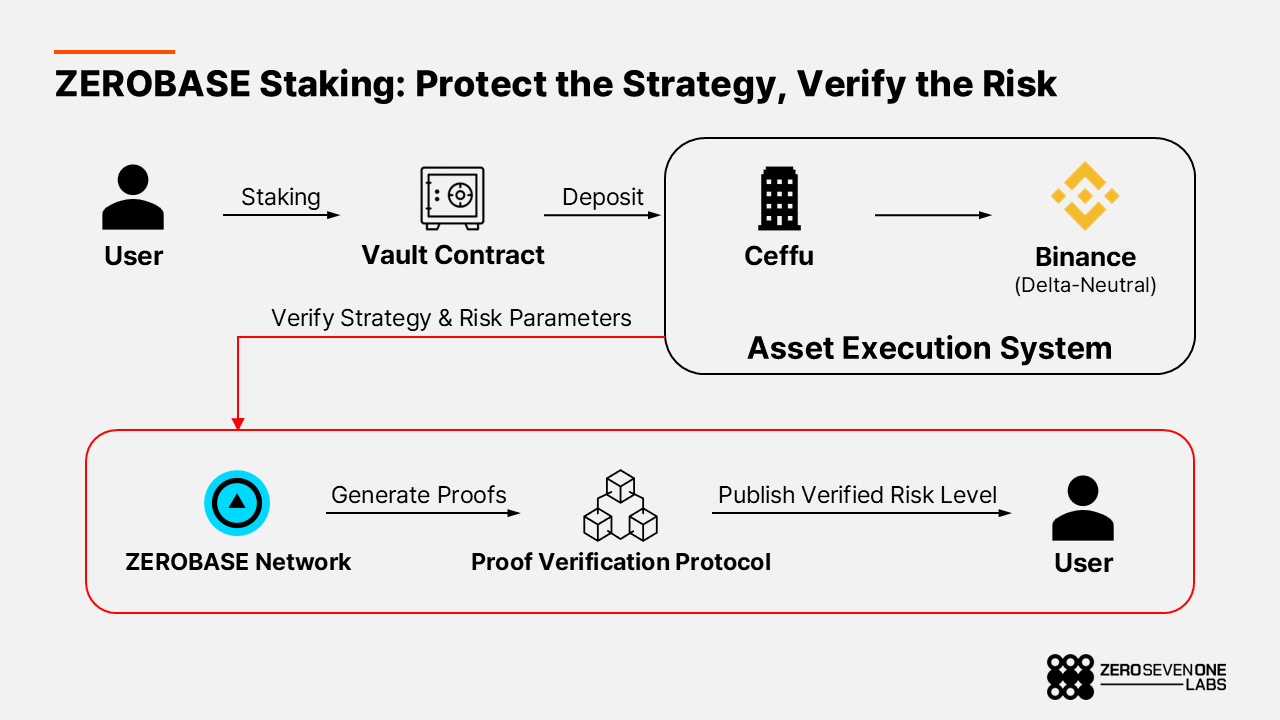
Decide who verifies the identity before the ZK proof is generated. You can use a centralized KYC provider (like Sumsub or Onfido) as the issuer, or a decentralized identity network (like Polygon ID or DIDIt). Centralized issuers are easier to integrate but create a single point of failure. Decentralized issuers distribute trust but require more complex user onboarding flows.
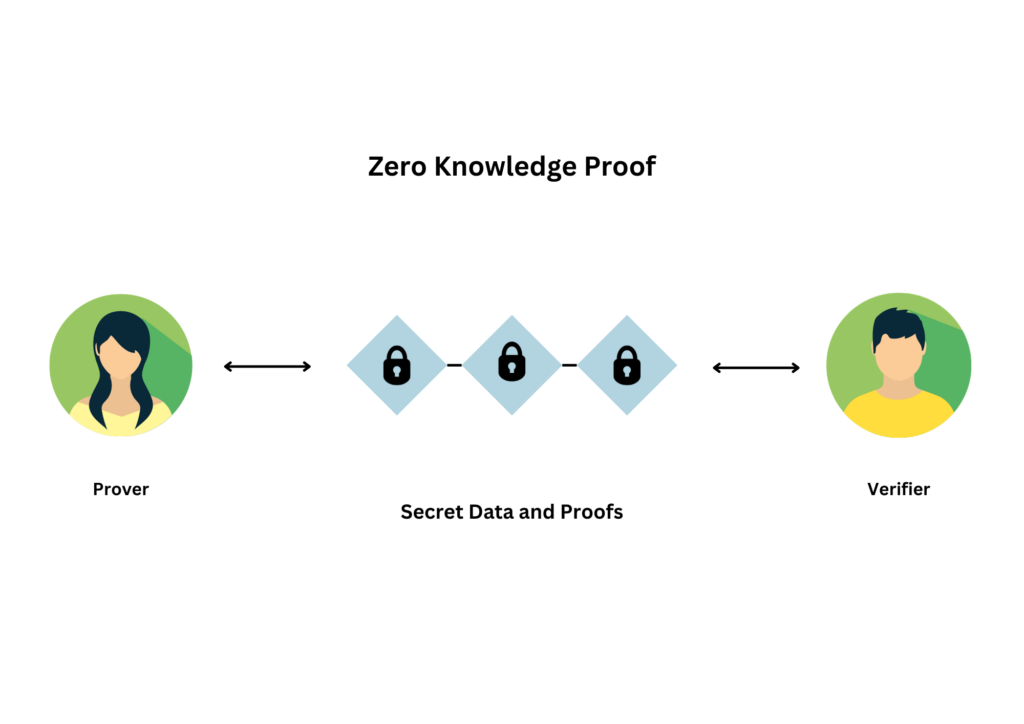
Sketch the user journey. Does the user generate the proof on-device (mobile) or in the browser? On-device generation is more privacy-preserving but requires significant mobile optimization. Browser-based generation is easier to develop but may leak metadata. Ensure the proof verification happens on-chain or in your backend before granting access to any permissioned pools or features.
ZK proofs are computationally expensive. As your user base grows, the cost of generating and verifying proofs can become a bottleneck. Run load tests to ensure your infrastructure can handle peak verification times. Consider using recursive proof aggregation to batch multiple ZK proofs into a single verification, reducing on-chain gas costs and backend processing time.


As an Amazon Associate, we may earn from qualifying purchases.
The right ZK KYC strategy depends on your specific risk profile. If you prioritize speed and low user friction, start with a centralized issuer and zk-SNARKs. If you prioritize long-term privacy and decentralization, invest in zk-STARKs and decentralized identity networks. Always test the computational load before scaling.
Common ZK KYC Mistakes and Weak Options
Adopting zero-knowledge KYC (ZK-KYC) often fails when teams prioritize cryptographic elegance over regulatory reality. The primary keyword cluster here centers on practical implementation pitfalls. Below are the most frequent errors that undermine privacy-first compliance.
Assuming ZKP Solves Identity Attestation
A zero-knowledge proof only verifies a statement, it does not verify the data source. If the initial identity attestation is weak, the ZK proof merely secures a bad premise. Teams often mistake the cryptographic proof for a complete KYC solution, ignoring that the "knowledge" must come from a trusted issuer. Without a robust identity oracle or issuer, the system is only as secure as its weakest link.
Ignoring Computational Scalability Costs
ZK protocols like zk-SNARKs require significant computational resources to generate proofs. As user volume increases, this complexity can slow transaction processing and drive up costs. Many projects underestimate the hardware requirements for proof generation, leading to bottlenecks during peak usage. This scalability issue is a primary disadvantage of using ZKP in high-throughput environments.
Overlooking Regulatory Alignment
Regulators need to audit the process, not just the output. A ZK-KYC system that hides all metadata may fail compliance checks because auditors cannot verify the underlying logic or issuer credentials. The system must balance privacy with transparency enough to satisfy legal standards. Failing to design for auditability is a critical mistake that can lead to regulatory shutdowns.
Using Unverified Credential Issuers
The strength of ZK-KYC relies on the trustworthiness of the credential issuer. If multiple unverified entities can issue credentials, the system becomes vulnerable to Sybil attacks. Projects often skip rigorous issuer vetting to launch quickly, assuming the ZK layer will filter out bad actors. This is a dangerous assumption; the ZK proof cannot validate the legitimacy of the issuer itself.
Zk kyc systems strategy: what to check next
These answers address the practical objections and technical realities of implementing zero-knowledge proof systems for compliance.
No comments yet. Be the first to share your thoughts!