How ZK KYC changes compliance
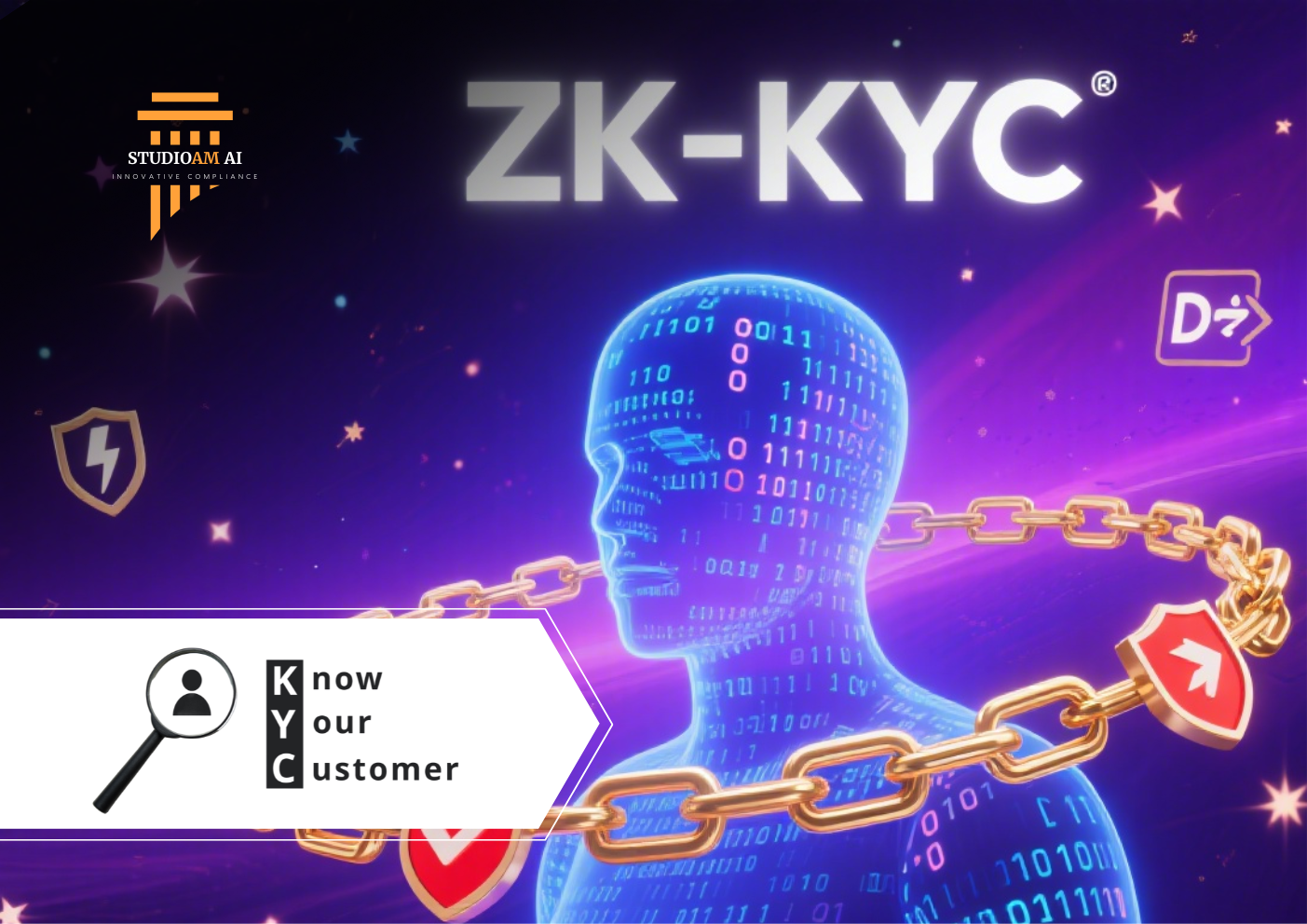
Traditional KYC processes are built on a simple but fragile premise: you must hand over your identity documents to a centralized server to prove who you are. This creates a single point of failure. When that server is breached, every customer’s sensitive data is exposed. Zero-knowledge proof KYC (ZK-KYC) flips this model. It allows a user to prove they meet specific regulatory criteria—such as being over 18, not on a sanctions list, or being an accredited investor—without revealing the underlying personal information.
In practice, a trusted verifier performs a rigorous check off-chain and issues a cryptographic credential to the user’s wallet. The user then generates a zero-knowledge proof to enter a permissioned pool or service. This proof confirms eligibility without exposing the user’s identity to other participants in the system. As noted by Chainlink, this ensures all liquidity providers are vetted entities without exposing their identities to other traders.
For high-stakes financial compliance, this shift is significant. It reduces the liability associated with storing PII and aligns with the privacy expectations of institutional DeFi. Instead of trading off security for anonymity, ZK-KYC allows institutions to maintain strict regulatory adherence while preserving user confidentiality.
Infrastructure layers in ZK KYC
Building a ZK KYC system requires splitting the process into three distinct layers: off-chain verification, credential issuance, and on-chain proof validation. This separation ensures that sensitive personal identifiable information (PII) never touches the blockchain, while still providing the regulatory certainty required for compliance.
Off-chain verification and credential issuance
The first layer handles the heavy lifting of identity verification. Instead of storing raw documents like passports on a server, a trusted verifier (such as a bank or government agency) checks the user's identity offline. Once verified, they issue a verifiable credential to the user's digital wallet. As noted by Chainlink, this credential allows an institution to verify cryptographic claims about a user without collecting the underlying PII. The user holds this credential, which serves as a portable, privacy-preserving record of their verified status.
On-chain proof validation
The second layer occurs when the user interacts with a decentralized application or DeFi protocol. The user generates a zero-knowledge proof from their stored credential. This proof demonstrates that they meet specific criteria—such as being over 18 or passing an AML check—without revealing their name, address, or birthdate. The smart contract then validates this proof on-chain. If the proof is mathematically sound, the user gains access. This process ensures that all participants in a permissioned pool are vetted entities, yet their identities remain hidden from other traders.
Infrastructure comparison
The following table contrasts traditional KYC data handling with ZK KYC infrastructure to highlight the shift in privacy and storage.
| Feature | Traditional KYC | ZK KYC Infrastructure |
|---|---|---|
| Data Storage | Centralized database of raw PII | None on-chain; credentials in user wallet |
| Verification | Manual or automated review of documents | Cryptographic proof generation |
| Privacy | Low; provider sees all data | High; only validity is shared |
| Access Control | Database lookup | Smart contract validation |
| Regulatory Audit | Full data access for regulators | Proof of compliance without PII exposure |
This architectural shift moves the burden of data security from the service provider to the user, reducing the attack surface for data breaches while maintaining strict regulatory compliance.
Market leaders and use cases
ZK KYC Systems works best as a clear sequence: define the constraint, compare the realistic options, test the tradeoff, and choose the path with the fewest hidden costs. That order keeps the advice usable instead of decorative.
After each step, pause long enough to check whether the recommendation still fits the reader's actual situation. If it depends on perfect timing, unusual access, or a best-case budget, include a simpler fallback.
The simplest way to use this section is to write down the real constraint first, compare each option against it, and choose the path that still works outside ideal conditions.
Strategy for institutional adoption
Integrating ZK KYC requires institutions to shift from trusting centralized databases to verifying cryptographic proofs. The goal is regulatory defensibility without exposing user identity data. This approach allows institutions to comply with AML laws while maintaining the privacy expectations of DeFi participants.
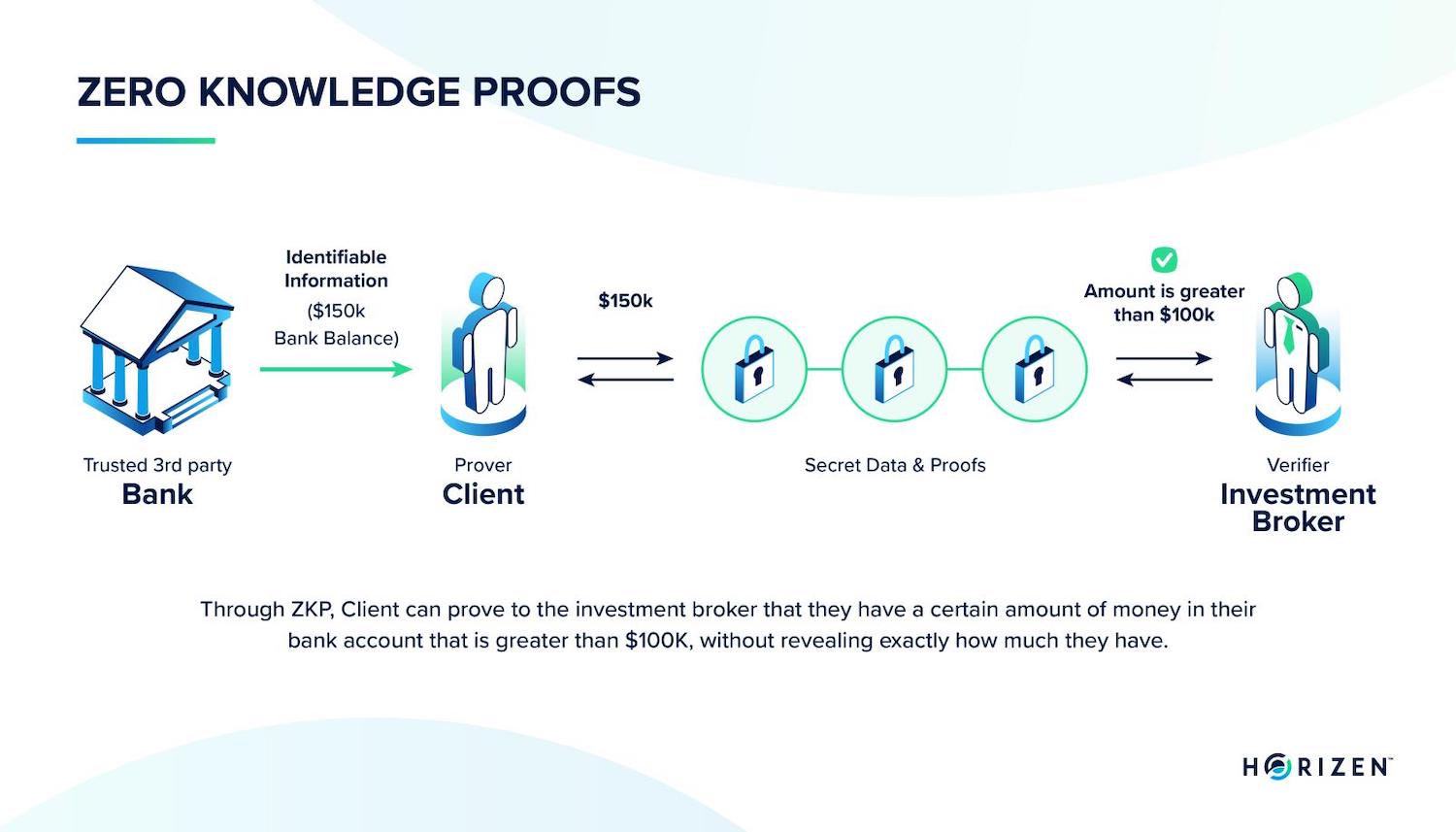
Identify exactly which data points regulators require. ZK KYC works best when you prove a binary condition (e.g., "Is this user on a sanctions list?") rather than sharing full identity records. Keep the proof minimal to reduce computational overhead and privacy leakage.

Partner with established KYC providers who can issue verifiable credentials. The issuer performs the rigorous off-chain check and signs the credential. Your ZK system then verifies the signature and the proof of compliance without seeing the underlying personal data.
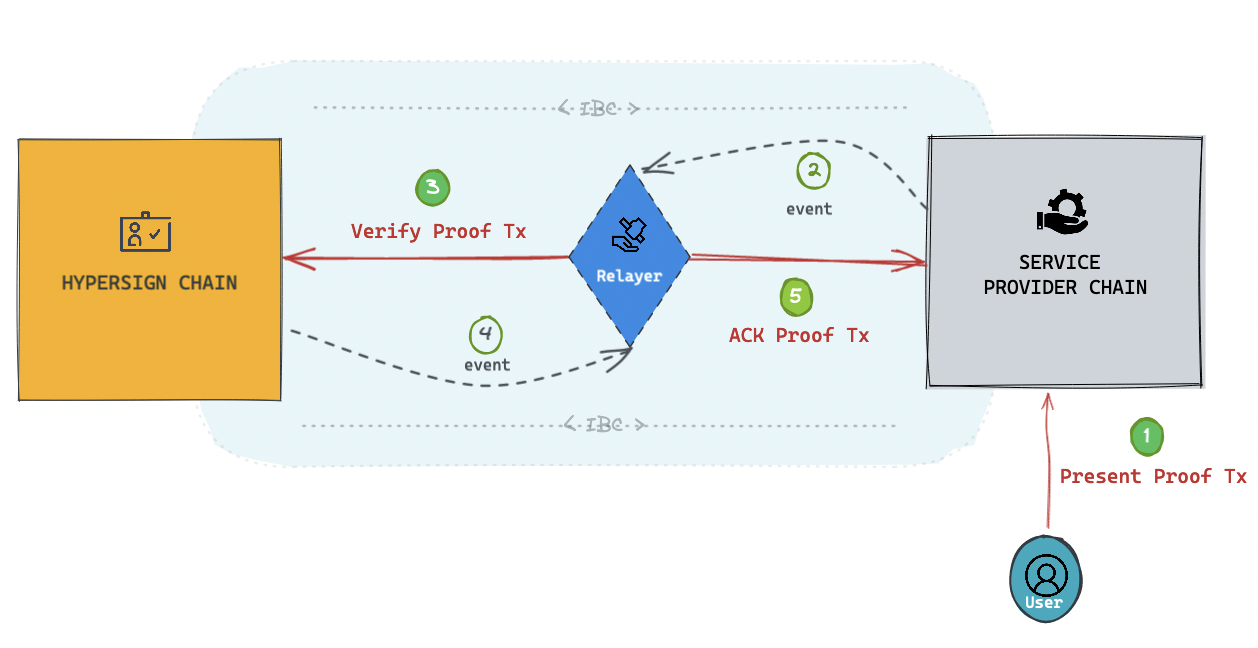
Deploy the zero-knowledge circuit that converts the signed credential into a zk-SNARK or zk-STARK proof. This proof must be verifiable on-chain or by a compliant node. Ensure the circuit is audited for soundness, as any flaw could allow unauthorized access to permissioned pools.
Abstract the complexity from the end user. The wallet should automatically generate and submit proofs when accessing regulated services. If the proof fails, provide clear, non-technical feedback. A seamless experience is critical for institutional adoption in competitive DeFi markets.
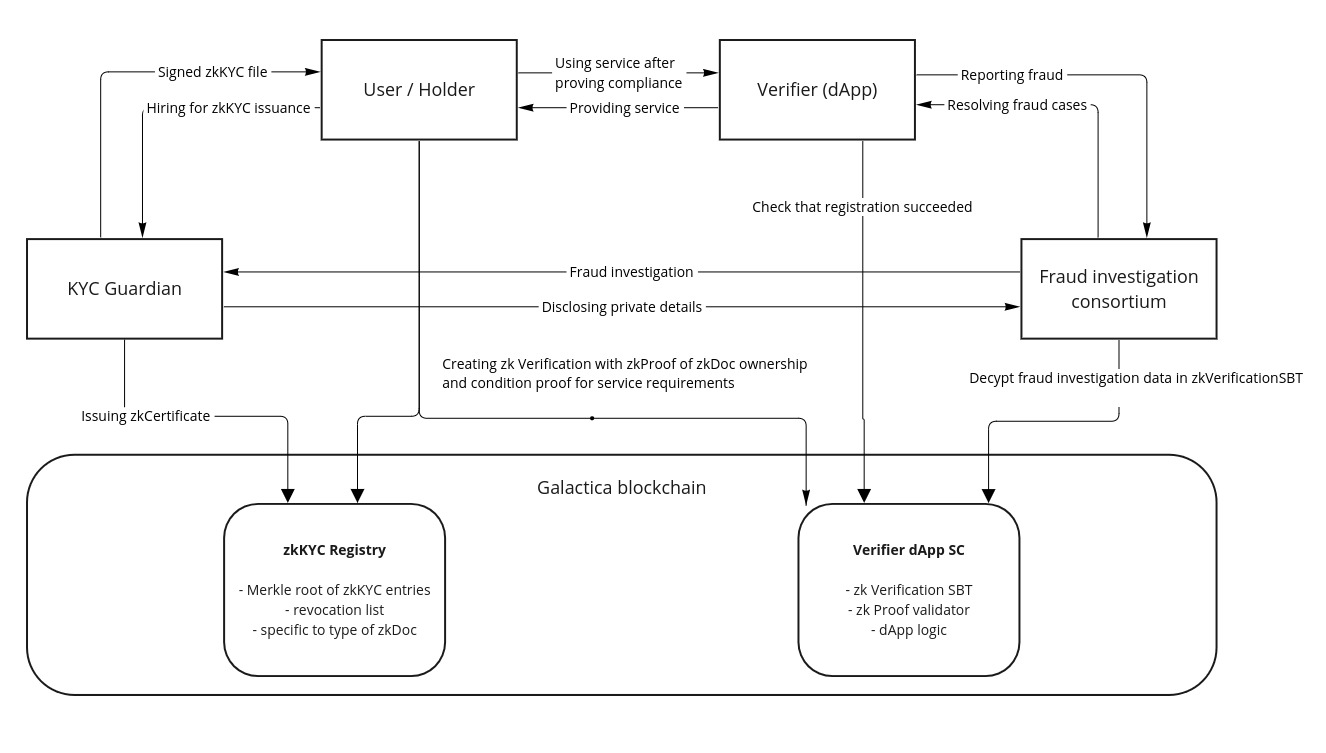
Maintain immutable logs of proof verifications for regulatory audits. This creates an audit trail that satisfies legal requirements without exposing the actual identity data of users. Regular security audits of the ZK circuits are mandatory to maintain trust and legal standing.
No comments yet. Be the first to share your thoughts!