ZK KYC Systems: The Infrastructure Reality
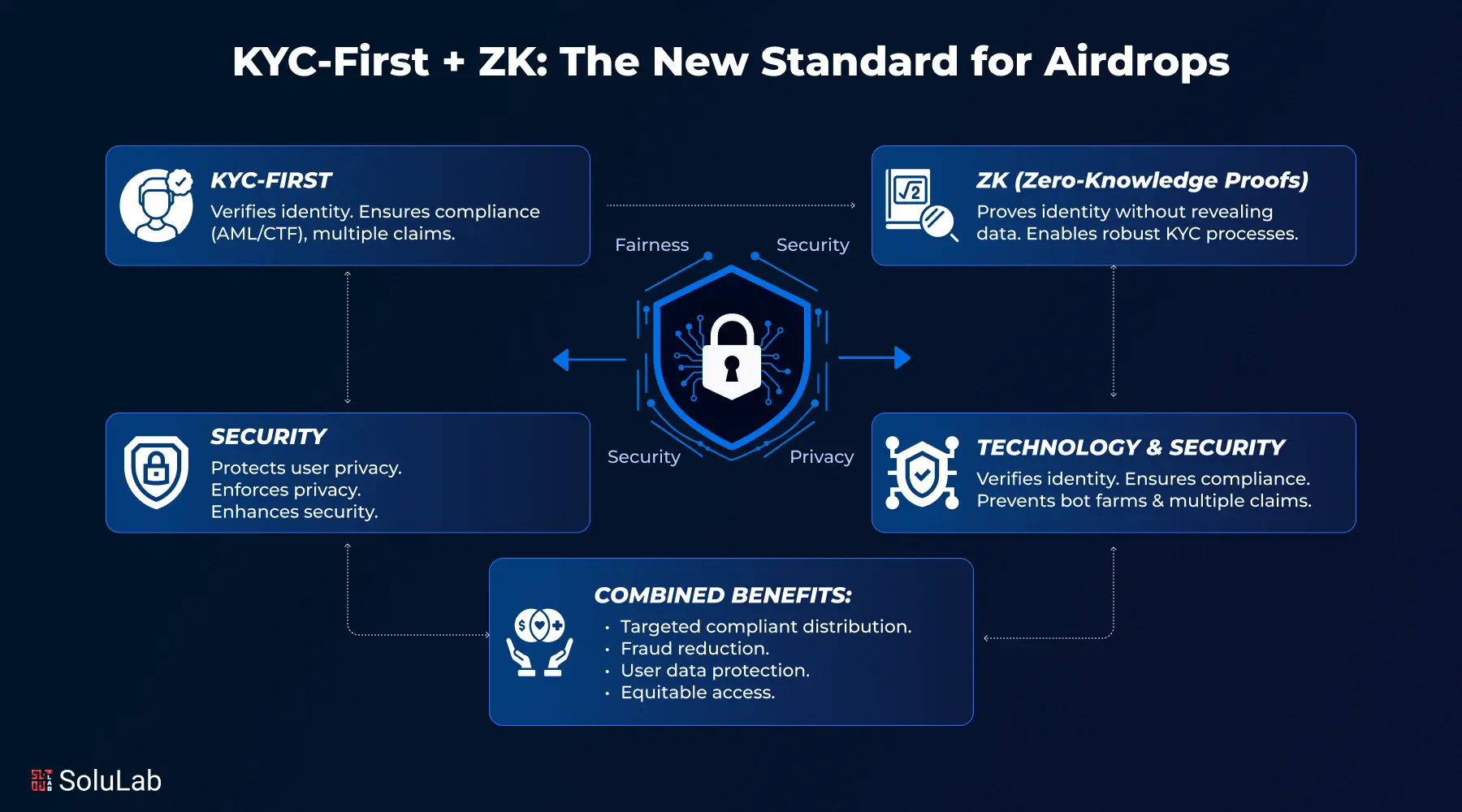
Zero-Knowledge Proof KYC (ZK-KYC) shifts the burden of proof from data possession to data verification. Instead of uploading passport scans or utility bills to every platform, users generate cryptographic proofs that confirm specific attributes—like being over 18 or residing in the EU—without revealing the underlying personal information.
This architecture relies on three core components: a trusted setup for generating keys, a zero-knowledge circuit defining the compliance rules, and a verification engine on the blockchain or backend. The user’s wallet holds the private data, while the verifier checks the proof’s validity against the public key.
However, this system faces distinct constraints. The trusted setup phase requires rigorous security audits; any flaw here compromises the entire system’s privacy guarantees. Additionally, on-chain verification costs can be high for simple checks, pushing many implementations toward off-chain computation with on-chain result logging.
The tradeoff is clear: you gain privacy and reduce data breach liabilities, but you lose the ability to audit the raw data directly. Compliance teams must adapt their workflows to verify proofs rather than documents, requiring new tools and legal frameworks to interpret cryptographic evidence as regulatory proof.
ZK KYC Systems: Infrastructure Choices
Choosing a zero-knowledge KYC architecture requires balancing privacy guarantees against regulatory acceptance and technical complexity. There is no single best approach; the right system depends on whether you prioritize user anonymity, verifier trust, or implementation speed. Below are the concrete tradeoffs you should evaluate when selecting infrastructure.
| Factor | Centralized Issuer | Decentralized DID | Hybrid Model |
|---|---|---|---|
| Privacy Level | Moderate (issuer knows identity) | High (minimal data leakage) | Customizable |
| Regulatory Acceptance | High (standard model) | Low (emerging) | Medium-High |
| User Experience | Familiar (web forms) | Complex (wallets) | Streamlined |
| Implementation Cost | Low | High | Medium |
| Data Sovereignty | Low (vendor lock-in) | High | Medium |
Issuer trust and liability
In centralized models, a single entity holds the raw identity data. This creates a high-value target for attackers and concentrates liability. If the issuer is compromised, all associated credentials are at risk. Decentralized models distribute this risk, but require verifiers to trust the underlying decentralized identity protocols and the integrity of the public key infrastructure.
Verification latency and cost
Generating zero-knowledge proofs can be computationally expensive. On-chain verification often incurs significant gas fees, while off-chain verification requires secure hardware or trusted execution environments to prevent manipulation. Systems that balance these costs typically use off-chain proof generation with on-chain commitment, but this adds architectural complexity that can slow down user onboarding.
Regulatory compliance and auditability
Regulators often require a "know your customer" trail that zero-knowledge proofs inherently obscure. Hybrid models attempt to bridge this gap by allowing selective disclosure of specific attributes (e.g., age, jurisdiction) while keeping the underlying document data private. However, auditors may resist systems where they cannot inspect the full identity record, potentially limiting adoption in strictly regulated jurisdictions.
Technical interoperability
Most zk KYC systems rely on specific cryptographic libraries (like Groth16 or Plonk) and DID standards (like W3C). Migrating between these standards is difficult. A system built on Polygon ID may not easily integrate with a verifier using a different DID method. Choosing a widely adopted standard reduces future integration friction but may limit access to cutting-edge privacy features available in newer, less common frameworks.
How to choose the right ZK KYC system
Selecting a zero-knowledge KYC infrastructure requires balancing regulatory compliance with user privacy. The decision hinges on three practical factors: the verifier’s existing identity providers, the required proof types, and the operational overhead of managing key regeneration.
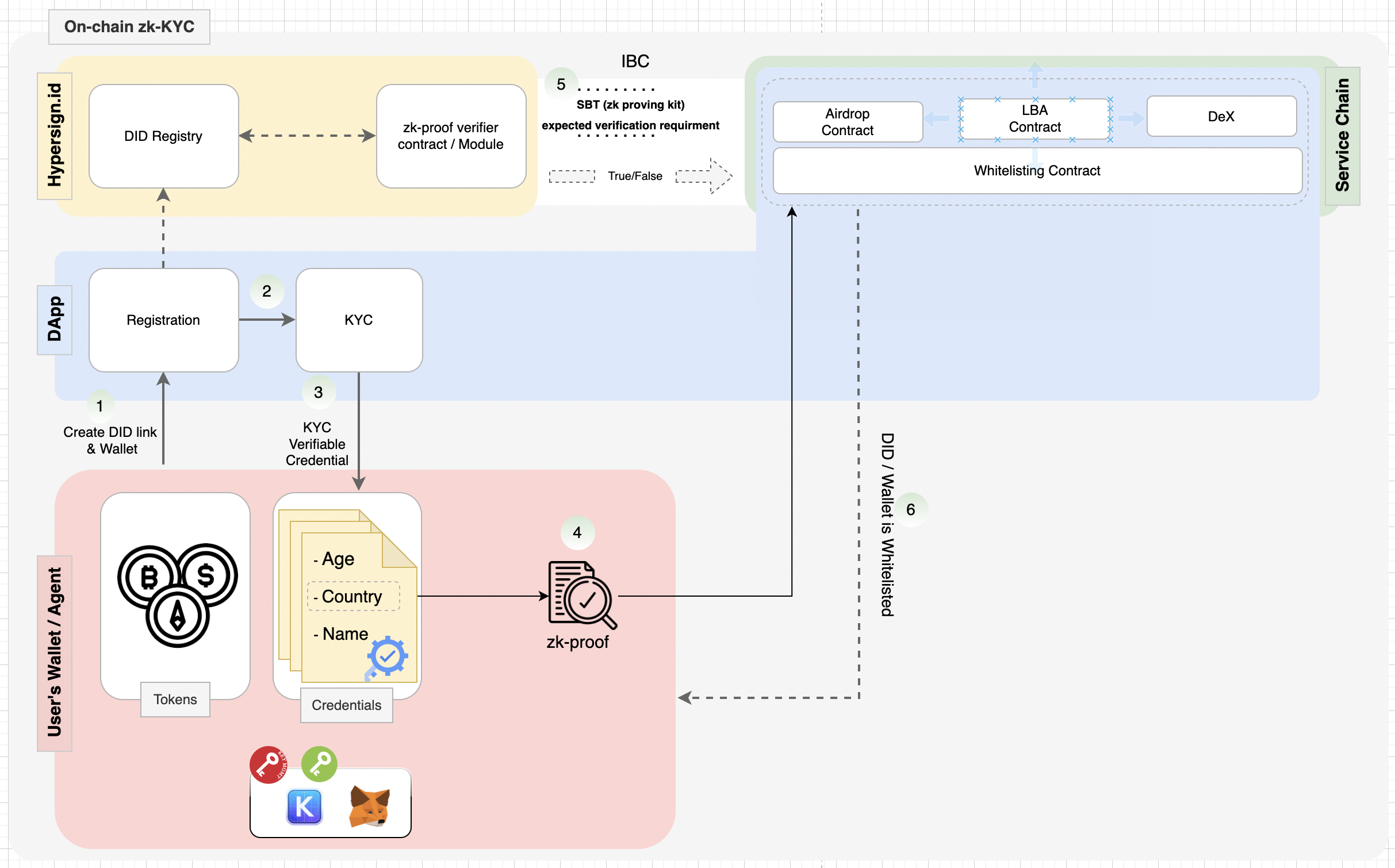
Identify which centralized identity providers (CIPs) your platform must support. Most ZK-KYC systems integrate with specific providers like Sumsub or Jumio. Ensure your chosen protocol supports the proofs required by your target jurisdictions, such as age verification or residency checks.
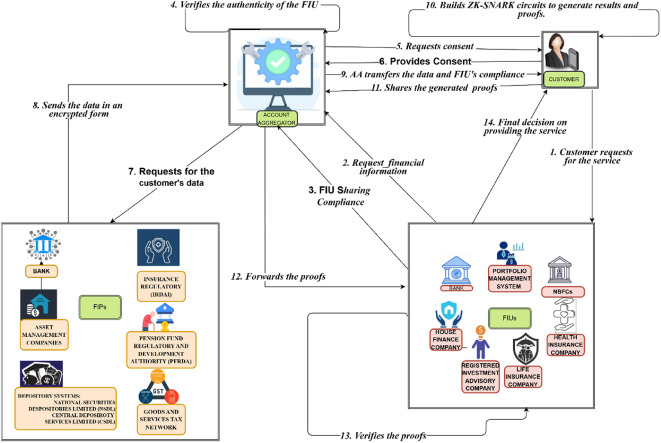
Determine the specific claims you need to verify. Do you need to prove a user is over 18, or that they are not on a sanctions list? More complex proofs require heavier computational resources. Choose a system that supports the minimal necessary data to reduce storage and verification costs.
ZK-KYC systems rely on user-held keys. Assess how your platform will handle key loss or device changes. Systems that offer social recovery or multi-party computation (MPC) reduce friction for users while maintaining the privacy benefits of zero-knowledge proofs.
Review the SDK documentation and API endpoints. The best system is one your engineering team can implement quickly. Look for pre-built connectors for your existing tech stack, such as React Native for mobile apps or Node.js for backend verification.



As an Amazon Associate, we may earn from qualifying purchases.
Common ZK KYC Pitfalls
Zero-Knowledge KYC systems promise privacy, but infrastructure flaws often undermine compliance. Teams frequently misconfigure proof verification, leading to rejected valid users or, worse, accepted fraudulent proofs. The gap between theoretical ZKP security and practical implementation is where most projects fail.
Weak Proof Systems and Verification Gaps
Many platforms rely on outdated or poorly audited zkSNARK circuits. If the trusted setup ceremony was not performed with sufficient randomness, malicious actors can forge proofs. Always verify the transparency of the setup phase and check for independent audit reports from firms like Trail of Bits or OpenZeppelin. Never assume a "zero-knowledge" label guarantees security.
Over-Engineering for Unnecessary Complexity
Implementing full ZK circuits for simple age verification is inefficient and expensive. Use succinct arguments only when necessary. For basic checks like "over 18," standard hash-based commitments or simpler cryptographic signatures often suffice. Over-engineering increases gas costs and user friction without adding meaningful privacy benefits.
Ignoring Data Minimization Principles
ZK KYC should reveal only the minimum necessary data. Some systems inadvertently leak metadata or auxiliary information through side channels. Ensure your circuit design strictly limits disclosed attributes. For example, proving residency should not reveal the exact address or date of birth unless explicitly required by the regulator.
No comments yet. Be the first to share your thoughts!